Local
Local girl gives back, looks ahead to Florida pageant
A Roundtable is a way to meet new people and discuss this article in person at a local coffee shop or other venue.
Roundtables are designed for groups of four, with a shared subject and room for everyone to speak. Come for discussion, with no dating expectation.
Source: Up & Coming Weekly
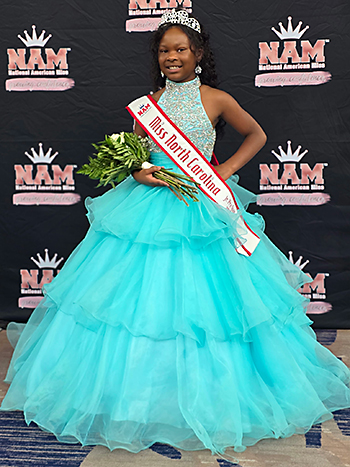
If there is anyone who was born with a divine calling to serve others, it’s Amariah Lodiong, a 10-year-old contestant in the National American Miss Nationals pageant representing North Carolina. Her care has touched numerous lives, facilitating the creation of her own registered nonprofit, Amariah's Amazing Grace, with over 245 hours of community service completed. Her giving spirit was present from the beginning, according to her mother Dr. Delphenia Lodiong. “This girl came out of the womb wanting to give everything she had to everybody," she said. “The joy that comes to her by giving is just amazing; it’s like God has really put her in this world to just give from her heart. It gives her so much joy to be able to do that, and I’m grateful that I have a child that wants to give.” During a visit to Africa when Amariah was around 5 years old, she gave her toys to children in Uganda who didn’t have any of their own. Her father is from South Sudan, which borders Uganda.
This excerpt comes from the named source. Read the original for the full reporting.
Read the original at Up & Coming Weekly