Local
Long Lake teen raising funds for UTV to help canine search and rescue teams
A Roundtable is a way to meet new people and discuss this article in person at a local coffee shop or other venue.
Roundtables are designed for groups of four, with a shared subject and room for everyone to speak. Come for discussion, with no dating expectation.
Source: CBS News
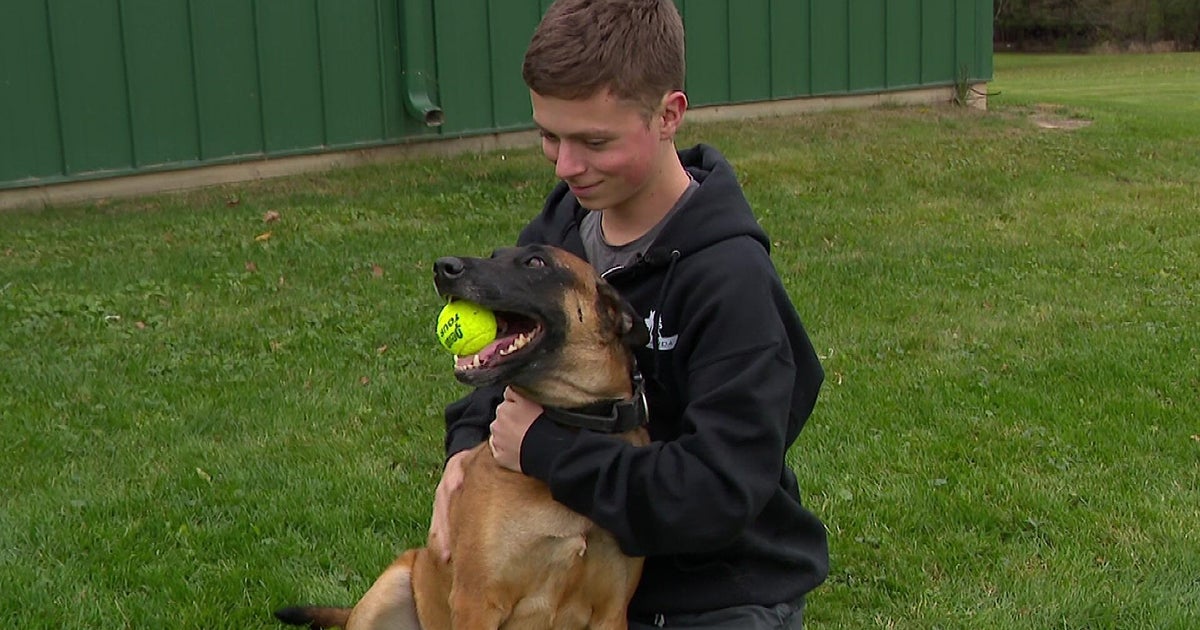
A dog's sense of smell is up to 10,000 times stronger than a humans'. That's why canines are so critical in search and rescue missions. Justin Gehrman, 17, and his Belgian malinois, Stormy, spend a lot of time together. Gehrman, who is from Long Lake, Minnesota, has always loved his pups. "Possum was a special one. He was deaf and blind and loving and back in 2020 he went missing, it was just very sad because I loved that dog and so I was heartbroken," Gehrman said. A search and rescue team from Nebraska who looks for animals came to help. They looked long and hard, they didn't find Possum — but after more than two weeks — Possum found home. "I was so happy that he was back," Gehrman said. "They didn't think that they would find him and yet they still went out anyways and spent hours looking for him. I just found their dedication and like ambition to help the community just really inspiring." So he started to train himself.
This excerpt comes from the named source. Read the original for the full reporting.
Read the original at CBS News


