Local
Looking outside: The science of neuroaesthetics and biophilia
A Roundtable is a way to meet new people and discuss this article in person at a local coffee shop or other venue.
Roundtables are designed for groups of four, with a shared subject and room for everyone to speak. Come for discussion, with no dating expectation.
Source: Eagle Valley Enterprise
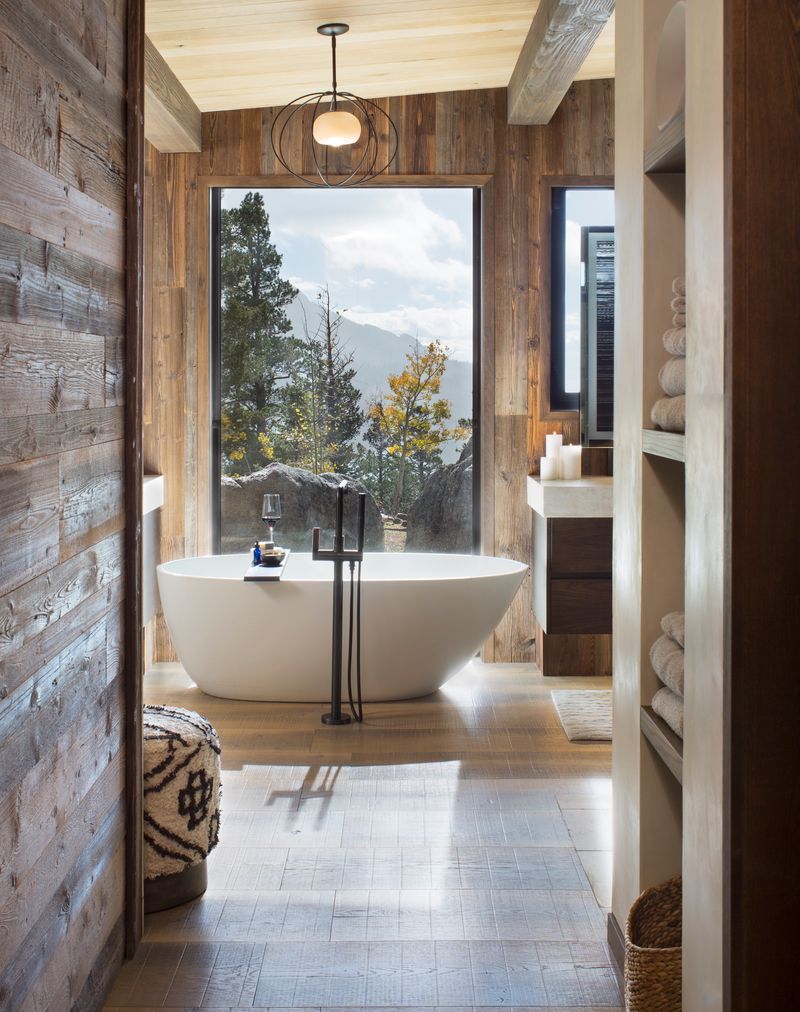
Editor’s note: A longer version of this story originally appeared in Vail Valley Magazine. We’ve always intuitively known, either consciously or subconsciously, that beautiful environments — particularly those influenced by nature — relax us and positively impact our mood. Now, science has caught up; research shows that home and commercial designs inspired by the love of nature, or biophilic design, not only result in visually pleasing spaces, but also promote both mental and physical wellbeing. Neuroaesthetics, which usually incorporates biophilic design, studies how beauty affects the brain and body. Semir Zeki, a professor at the University College of London, coined the term in the late 1990s, when brain scanning technology advanced enough to measure people’s responses to beauty in the lab.
This excerpt comes from the named source. Read the original for the full reporting.
Read the original at Eagle Valley Enterprise