Local
Love Honeycrisp? How about SweeTango? Here's how Minnesota's homegrown apples became your favorite
A Roundtable is a way to meet new people and discuss this article in person at a local coffee shop or other venue.
Roundtables are designed for groups of four, with a shared subject and room for everyone to speak. Come for discussion, with no dating expectation.
Source: Duluth News Tribune
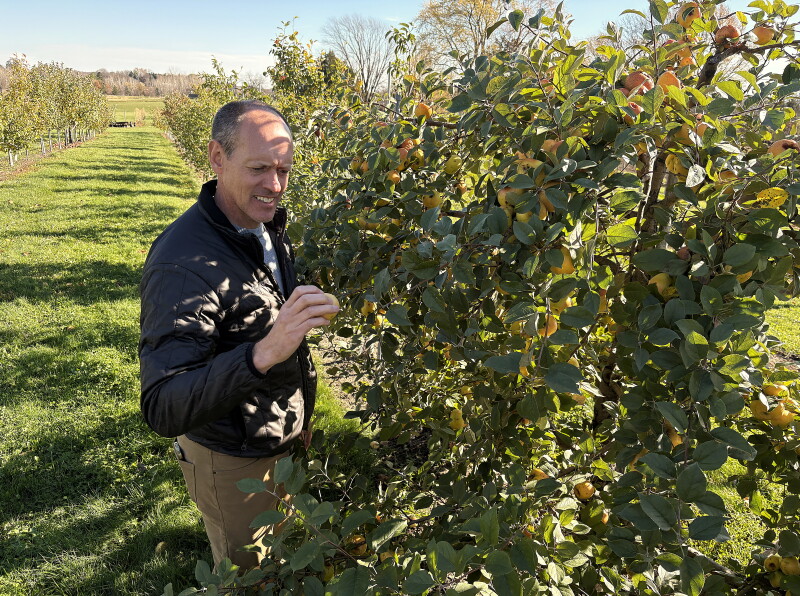
MANKATO, Minn. — A Minnesota apple changed Brian Frange's life. The comedian was in a New York grocery store in 2014 when he bought an apple he'd never tried, then bit into it. "The seismic snap that emitted from that bite was so loud it basically produced its own echo," he said. It was a SweeTango, a variety created in Minnesota. The apple inspired a career evolution for Frange, who made apples into a mission. "I would locate, taste and rank every single apple variety known to man," he said he decided, "solving one of humanity's greatest crises, which is when a person goes to a grocery store and doesn't understand which apples they should buy." Frange created AppleRankings.com, which offers his comically serious analysis of apples. SweeTango holds the No. 1 spot, as "The Holy Grail." Frange knows what might surprise many: Both SweeTango and global hit Honeycrisp come from the University of Minnesota's apple breeding program.
This excerpt comes from the named source. Read the original for the full reporting.
Read the original at Duluth News Tribune


