Local
Low Maintenance Landscaping: Design Choices That Cut Yard Work in Half
Meet in Common connects news with real conversations. Use ThinkMatch to arrange a Roundtable and meet people to discuss this story.
Source: Spedtacular Daily Living
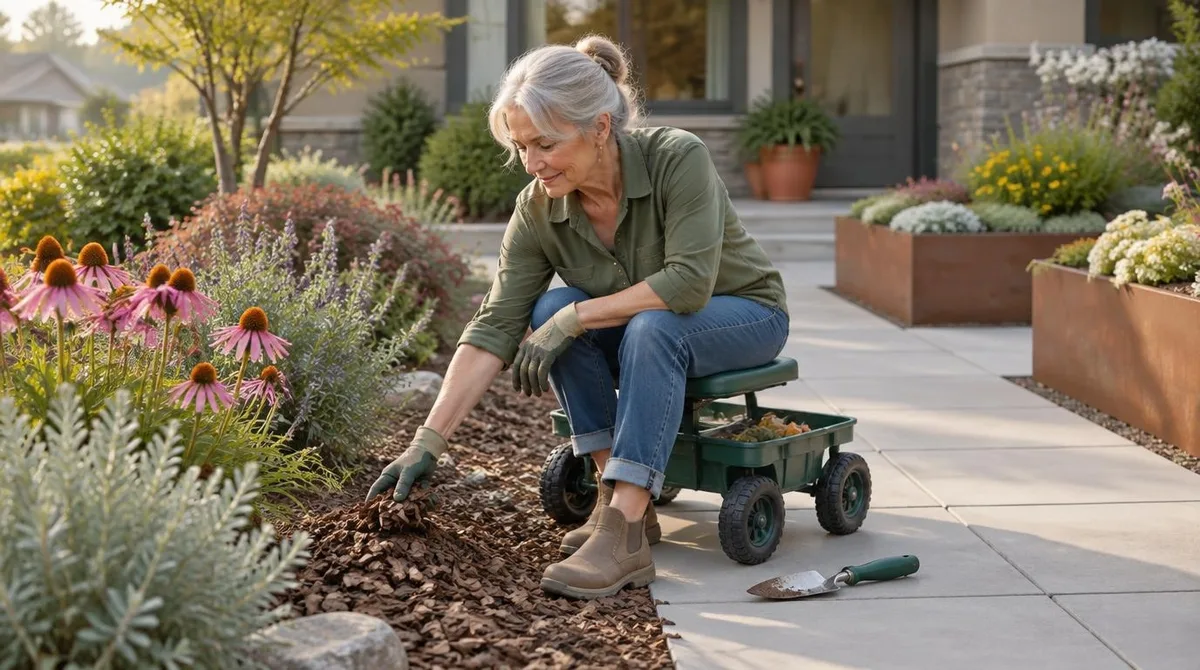
A low maintenance landscape trades weekly chores for yearly ones. Ground cover instead of lawn, shrubs instead of bedding plants, mulch instead of bare soil, and hardscape where nothing needs to grow at all. Done well, these choices can cut the hours you spend on the yard by half or more — and most of the work happens once, at installation, not every Saturday. This guide walks through the specific design moves that reduce physical upkeep: what to plant, what to pave, what to automate, and how to plan the work so it fits your reach, your grip, and your energy. Plant choices and care schedules vary by region, so treat the plant names here as examples to check against your local climate rather than a shopping list. Which design changes reduce yard work the most? The biggest single saving is removing lawn. Mowing, edging, and grass watering are the most frequent tasks in any yard — weekly during the growing season in most climates.
This excerpt comes from the named source. Read the original for the full reporting.
Read the original at Spedtacular Daily Living