Local
Mamdani’s five ballot proposals pass
Meet in Common connects news with real conversations. Use ThinkMatch to arrange a Roundtable and meet people to discuss this story.
Source: City & State New York
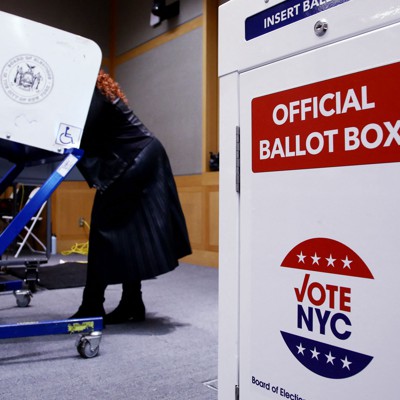
By Sahalie Donaldson News & Politics New York City Campaigns & Elections Zohran Mamdani New York City voters gave a confident “yes” to all five of the ballot measures put forward by Mayor Zohran Mamdani’s first Charter Revision Commission, approving the slate of proposals intended to streamline government processes and help the city better plan for its financial future. The New York Times reported all five proposals passed shortly before 11 p.m., but signs were strong earlier in the night too. With more than 88% of scanners reporting nearly an hour after polls closed, the first four proposals, which would cut some of the red tape associated with creating bike lanes, expanding outdoor dining, starting construction projects and hiring city contractors, held between 61% and 67% of the vote, according to unofficial results from the city Board of Elections. The fifth proposal, which would set contribution goals for the city’s rainy day fund, held at roughly 72% of the vote.
This excerpt comes from the named source. Read the original for the full reporting.
Read the original at City & State New York