Local
Mamdani unveils plan to close Rikers Island by 2032, five years after legal deadline
A Roundtable is a way to meet new people and discuss this article in person at a local coffee shop or other venue.
Roundtables are designed for groups of four, with a shared subject and room for everyone to speak. Come for discussion, with no dating expectation.
Source: AM New York
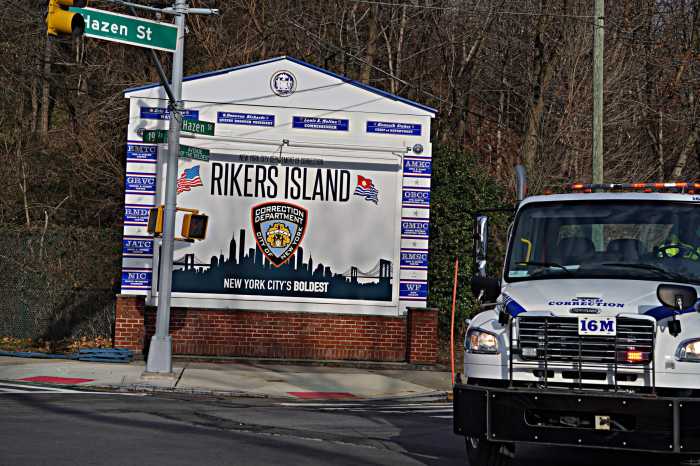
Mayor Zohran Mamdani unveiled a plan Friday to close Rikers Island by the end of 2032, more than five years after the city’s legally mandated deadline, outlining $290 million in investments aimed at reducing New York City’s jail population by nearly 40%. Under the strategic plan, the first of four borough-based jails would open in Brooklyn in 2029, followed by facilities in the Bronx and Queens in 2031 and Manhattan in 2032. Together with three hospital-based therapeutic housing units, the new jail system would have a capacity of 4,500 beds, compared with the roughly 6,600 people currently in city custody. The plan represents City Hall's most comprehensive effort yet to shutter the notorious jail complex — a goal that has spanned three different mayoral administrations and suffered repeated setbacks since the city formally committed to closing Rikers in 2017. “We have a legal and moral obligation to close Rikers,” Mamdani said in a statement.
This excerpt comes from the named source. Read the original for the full reporting.
Read the original at AM New York