Local
Man Convicted in Caro Murder Freed; Victim's Friend 'Terrified'
A Roundtable is a way to meet new people and discuss this article in person at a local coffee shop or other venue.
Roundtables are designed for groups of four, with a shared subject and room for everyone to speak. Come for discussion, with no dating expectation.
Source: tuscolatoday.com
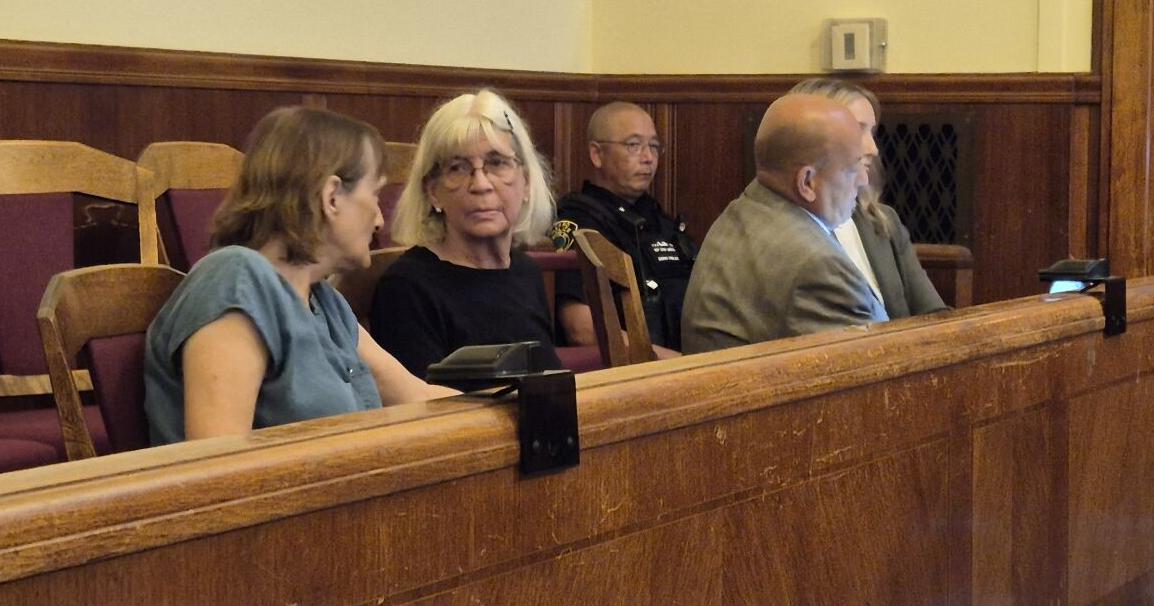
Convicted murderer Melvin Garza was released from prison Tuesday, and Kristie Reh says she’s “terrified.” Garza, 70, experienced freedom Tuesday after murdering 17-year-old Robin D. Adams of Caro on Aug. 22, 1976. Garza had been in prison since 1985 when he was convicted of first-degree murder for the death of Adams, his former girlfriend. Adams was babysitting a 2-year-old boy in a home on East Congress Street in Caro on the night Garza murdered her, according to police. And Reh, now 68, of Tuscola County, who said she was Adams’ best friend at the time of the slaying, wrote in a court document that she’s “terrified that he will come after me.” “I was instrumental in his conviction,” Reh wrote in a Nov. 9 petition seeking a personal protection order against Garza. “He was supposed to serve life in prison without parole. I am positive that he has not changed.” Tuscola County Probate Judge Nancy L. Thane denied Reh’s request for the PPO.
This excerpt comes from the named source. Read the original for the full reporting.
Read the original at tuscolatoday.com


