Local
Man killed after head-on crash with a semi on Kansas highway
Meet in Common connects news with real conversations. Use ThinkMatch to arrange a Roundtable and meet people to discuss this story.
Roundtables are designed for groups of four, with a shared subject and room for everyone to speak. Come for discussion, with no dating expectation.
Source: Hays Post
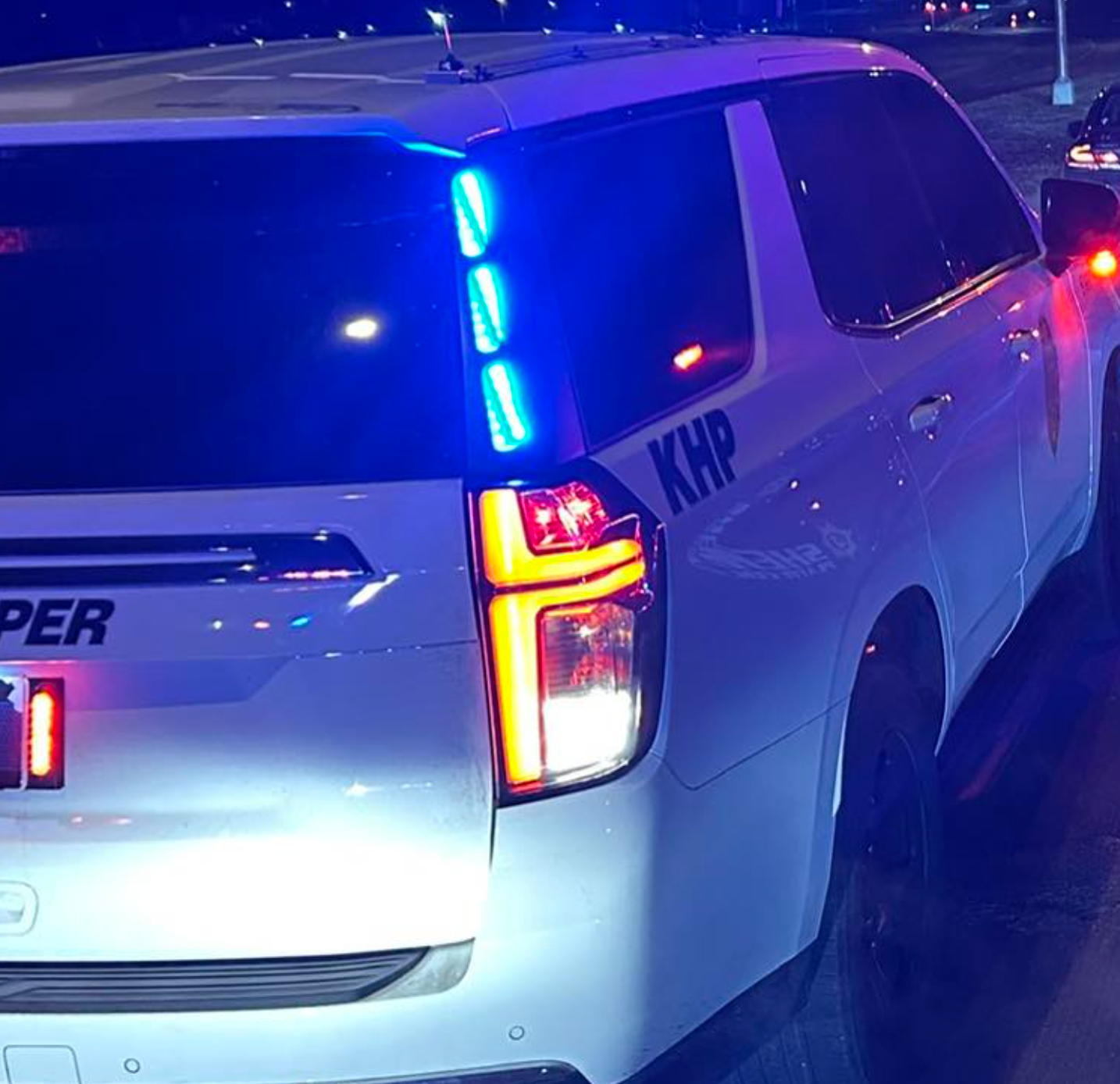
KIOWA COUNTY —One person died in an accident just before 6:30p.m. Tuesday in Kiowa County. The Kansas Highway Patrol reported a 2018 Toyota Rav4 driven by Bruce M. Greenfield, 86, Las Cruces, New Mexico, was eastbound on U.S. 54 one mile west of Haviland. The Toyota traveled left of center and struck a westbound 2008 International semi driven by Adriaan M Hanekom, 39, Greensburg, head-on. EMS transported Greenfield to St. Catherine's Hospital where he was pronounced deceased. EMS transported Hanekom to the Kiowa County Hospital. Hanekom was not wearing a seat belt at the time of the accident, according to the KHP.
This excerpt comes from the named source. Read the original for the full reporting.
Read the original at Hays Post