Local
Man sentenced to 30 years in crash that killed 2 CDOT workers
A Roundtable is a way to meet new people and discuss this article in person at a local coffee shop or other venue.
Roundtables are designed for groups of four, with a shared subject and room for everyone to speak. Come for discussion, with no dating expectation.
Source: The Grand Junction Daily Sentinel
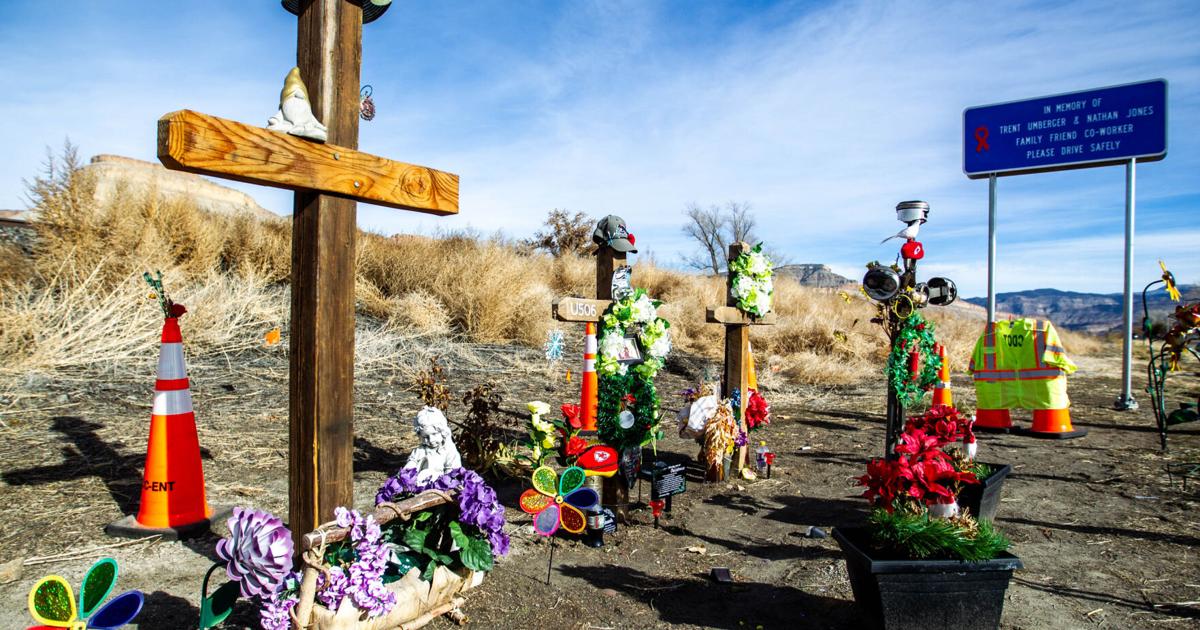
The man who was behind the wheel in a vehicle that killed three people, including two Colorado Department of Transportation workers, was sentenced to 30 years in the Department of Corrections on Thursday. Patrick Sneddon, 60, pleaded guilty to three counts of vehicular homicide in August in relation to the crash that killed three people in September 2024. CDOT workers Trent Umberger and Nathan Jones, and Kathi Wallace, who was Sneddon’s partner and a passenger in the car, were killed in the crash. The crash occurred on U.S. Highway 6 near Palisade. Jones and Umberger had been walking back to their CDOT vehicle after doing work along the highway when they were struck by Sneddon’s vehicle that went off the roadway, according to the arrest affidavit. Sneddon was arrested in December 2024 after an investigation by the Colorado State Patrol.
This excerpt comes from the named source. Read the original for the full reporting.
Read the original at The Grand Junction Daily Sentinel