Local
Man who snatched Peachy the flamingo from Las Vegas hotel exhibit found guilty of animal cruelty
A Roundtable is a way to meet new people and discuss this article in person at a local coffee shop or other venue.
Roundtables are designed for groups of four, with a shared subject and room for everyone to speak. Come for discussion, with no dating expectation.
Source: News-Press NOW
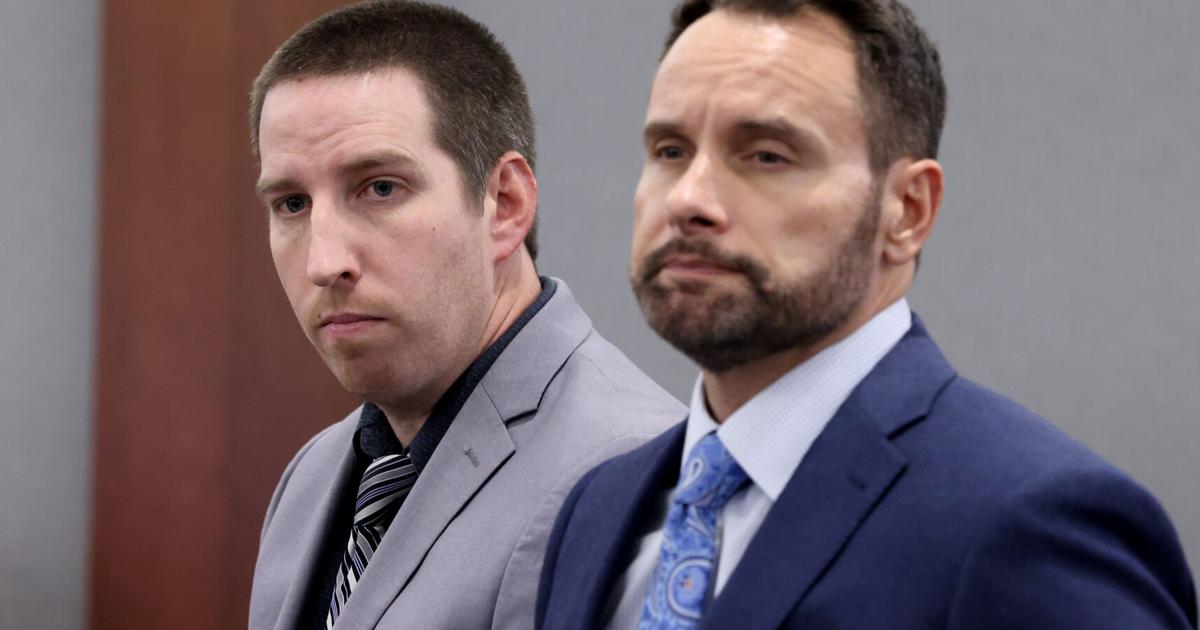
Facebook Twitter WhatsApp SMS Email Stolen Flamingo Las Vegas Bizuayehu Tesfaye - Las Vegas Review-Journal Mitchell Fairbarn, left, appears in court with his attorney Josh Tomsheck, during jury selection for his trial at the Regional Justice Center on Tuesday, Oct. 13, 2026, in Las Vegas. (Bizuayehu Tesfaye/Las Vegas Review-Journal via AP) Bizuayehu Tesfaye - Las Vegas Review-Journal Mitchell Fairbarn, left, appears in court with his attorney Josh Tomsheck, during jury selection for his trial at the Regional Justice Center on Tuesday, Oct. 13, 2026, in Las Vegas. (Bizuayehu Tesfaye/Las Vegas Review-Journal via AP) Benjamin Hager - Las Vegas Review-Journal Mitchell Fairbarn testifies during his trial at the Regional Justice Center Friday, Oct. 16, 2026, in Las Vegas. Fairbarn is accused of stealing a flamingo from its enclosure at a Las Vegas resort and abusing it.
This excerpt comes from the named source. Read the original for the full reporting.
Read the original at News-Press NOW


