Local
Marin City Gateway Shopping Center Sells for $53.6 Million
A Roundtable is a way to meet new people and discuss this article in person at a local coffee shop or other venue.
Roundtables are designed for groups of four, with a shared subject and room for everyone to speak. Come for discussion, with no dating expectation.
Source: Hoodline
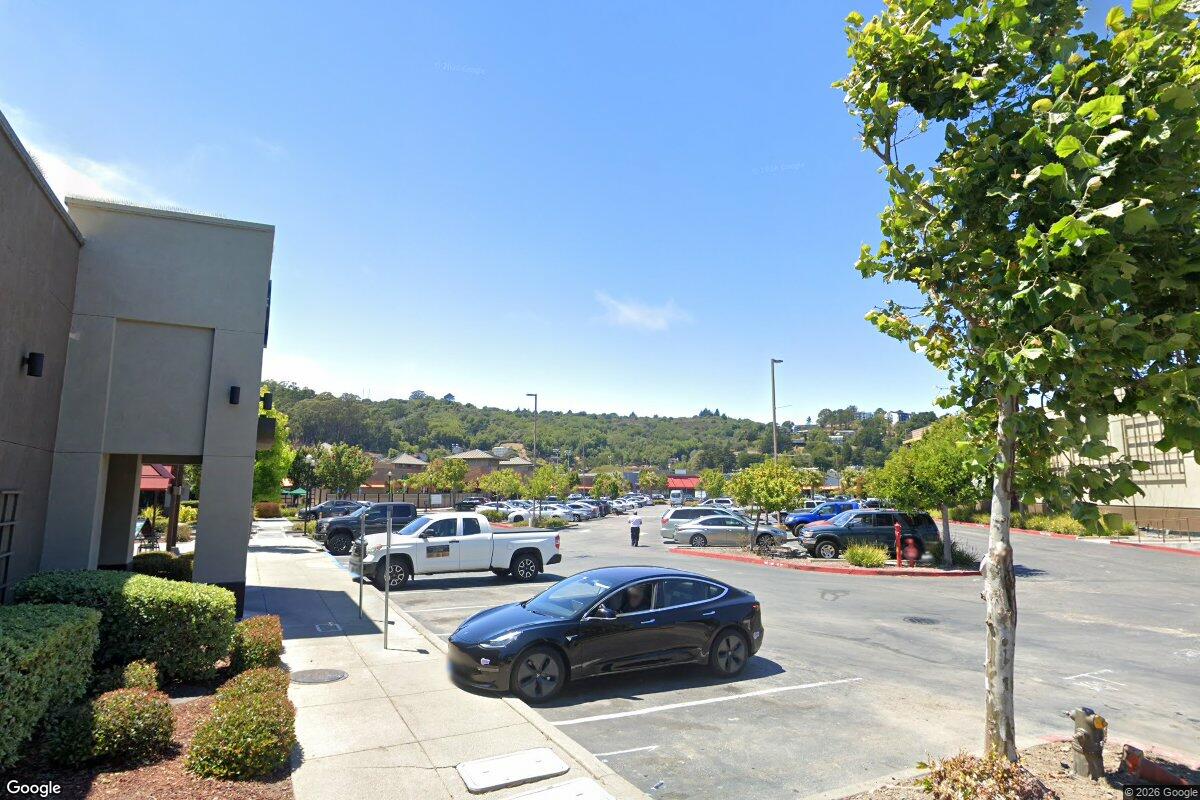
The shopping center anchoring Marin City has a new price tag attached to it: $53.6 million. That's according to the Marin Independent Journal, which reported the sale of the roughly 182,000-square-foot Gateway complex, a retail hub that has sat at the center of the unincorporated community for decades. The figure marks a dramatic jump from the center's last known sale. According to a report by Marin Independent Journal, the complex last changed ownership in 2011. That earlier transaction, detailed by The Press Democrat, saw the nearly 182,000-square-foot Marin Gateway Shopping Center sell for $36 million on Aug. 30 of that year, with the buyer listed as Marin Gateway GARP LLC, an affiliate of Solana Beach-based Gerrity Group. The property's path to its current price has included more than one set of hands and more than one round of renovation.
This excerpt comes from the named source. Read the original for the full reporting.
Read the original at Hoodline