Local
Martha L. Gibbons
Meet in Common connects news with real conversations. Use ThinkMatch to arrange a Roundtable and meet people to discuss this story.
Source: StateCollege.com
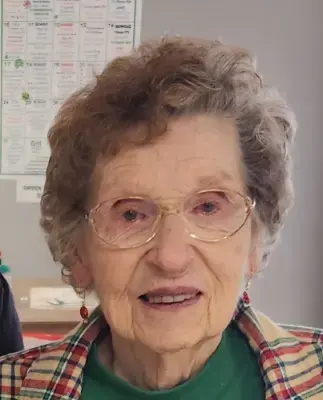
Martha Lois Gibbons was born February 28, 1930, in Marion, Ohio to Mary (Jacoby) Gibbons and Chester Gibbons. She grew up in Drexel Hill, Pennsylvania, and graduated second in her class at Upper Darby High School in 1948. She went on to study Biology at Bucknell University and earned a B.S. in 1952. Martha married Thomas C. Hickey in 1952 and had three children: Carolyn (1954), Diane (1956) and Martin (1957). During those years living in Bucks County and raising a family, she was involved in the church and was a girl scout leader for many years. She made sure all of her children had several years of piano lessons on the upright piano she inherited from her mother. Her passion was sewing, and she made many quilts, wall hangings, pillows, and artwork which she gifted to her loved ones. She worked in a fabric store for a few years, and then began working full time for Amtrak as a group sales representative. This allowed all of her children to attend and graduate from college.
This excerpt comes from the named source. Read the original for the full reporting.
Read the original at StateCollege.com