Local
Marty Jackley, DCI rule Rapid City officer-involved fatal shooting was justified
A Roundtable is a way to meet new people and discuss this article in person at a local coffee shop or other venue.
Roundtables are designed for groups of four, with a shared subject and room for everyone to speak. Come for discussion, with no dating expectation.
Source: Daily Republic
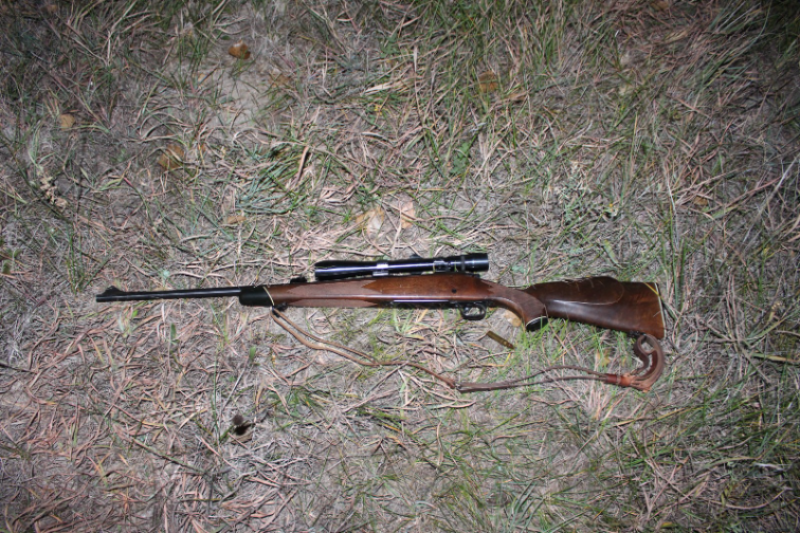
PIERRE, S.D. — An Oct. 29 officer-involved shooting in Rapid City has been deemed justified by the Division of Criminal Investigation (DCI), South Dakota Attorney General Marty Jackley announced in a Nov. 24 press release. “The suspect threatened the officers and pointed a weapon in their direction with his finger near the trigger,” Jackley said in the release. “The officers faced a clear and present danger. They were justified in their use of force.” The incident began around 10 p.m. MDT when emergency dispatch received a 911 call where a male voice could be heard screaming at a female victim and threatening to shoot her and responding law enforcement. Rapid City police officers were dispatched at a home in the 4000 block of Clover Street where they safely evacuated the victim and children from the residence. Afterwards, officers began to search for the male subject, who was identified as 30-year-old Dusk Curington.
This excerpt comes from the named source. Read the original for the full reporting.
Read the original at Daily Republic


