Local
Maryland AG Declines To Charge Officers In 2025 Silver Spring Man's Death
A Roundtable is a way to meet new people and discuss this article in person at a local coffee shop or other venue.
Roundtables are designed for groups of four, with a shared subject and room for everyone to speak. Come for discussion, with no dating expectation.
Source: Patch
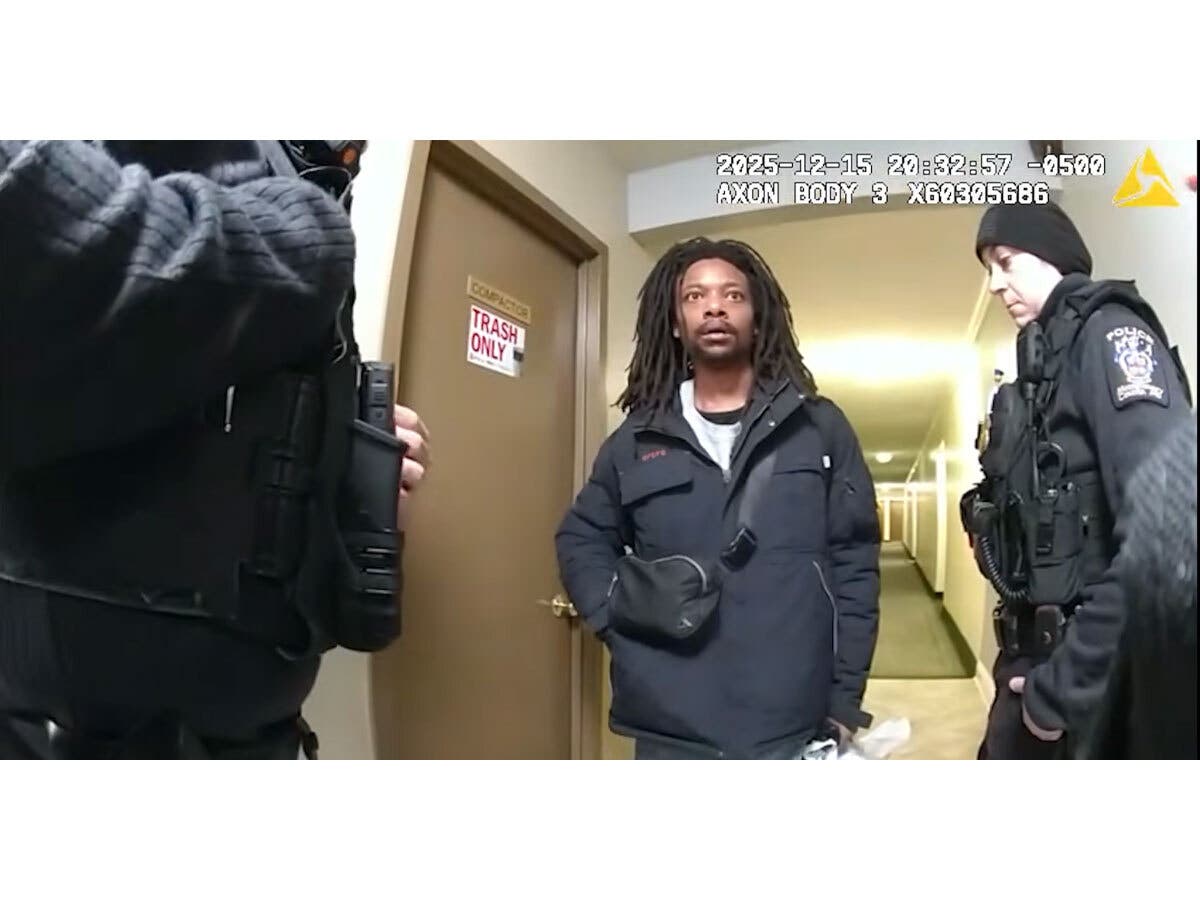
A medical examiner determined Thompson died of a brain injury caused by a lack of oxygen after the struggle with officers. SILVER SPRING, MD — Seven Montgomery County police officers will face no charges in the death of a man who died a week after being restrained during a mental health crisis, Maryland Attorney General Anthony G. Brown announced Friday. Jamal Thompson, 31, of Silver Spring, died a week after being restrained by officers at an apartment complex in Silver Spring. A medical examiner determined that he died of an anoxic brain injury caused by a lack of oxygen. The report noted that he was experiencing a schizophrenic episode that, combined with a physical struggle that triggered a "fight or flight" response, increased his need for oxygen. The Dec. 15, 2025, incident began when first responders were called to an apartment complex at 9737 Mount Pisgah Road in Silver Spring. Montgomery County fire and rescue personnel arrived, but Thompson refused assistance and ran away.
This excerpt comes from the named source. Read the original for the full reporting.
Read the original at Patch


