Local
Matthew Farwell's twin testifies, "I didn't believe my brother was that dumb" in Sandra Birchmore trial
A Roundtable is a way to meet new people and discuss this article in person at a local coffee shop or other venue.
Roundtables are designed for groups of four, with a shared subject and room for everyone to speak. Come for discussion, with no dating expectation.
Source: CBS News
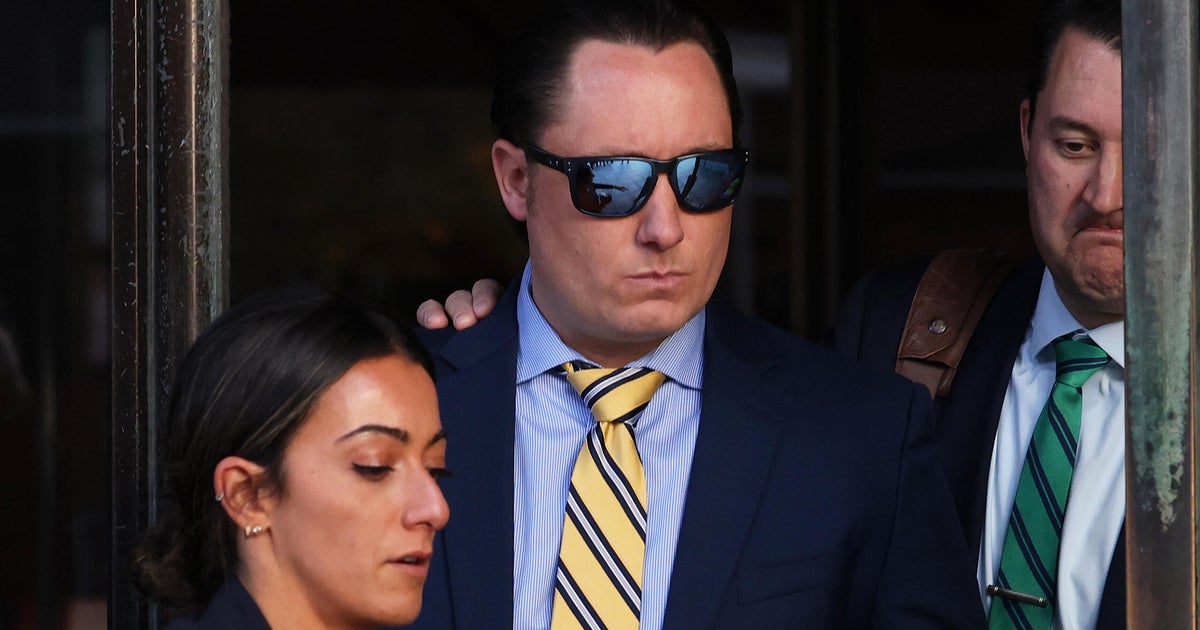
Matthew Farwell's twin William was back on the stand Tuesday at federal court in South Boston and testified that he didn't believe his brother was that "dumb" to have sex with Sandra Birchmore before she turned 16 years old. Matthew Farwell, a former Stoughton, Massachusetts police officer, is accused of killing the 23-year-old Birchmore and her unborn baby at her apartment in Canton in February 2021. Prosecutors say he staged it to make it look like a suicide to cover up a years-long affair with Birchmore that began when she was just 15. Farwell is now on trial for killing a witness or victim and causing the death of an unborn child. He has pleaded not guilty to both charges. His twin brother, William, took the stand late Monday afternoon for about half an hour. He admitted having his own sexual relationship with Birchmore, but he's testifying under the promise of federal immunity because he could be charged with a criminal offense for having sex while on duty as a police officer.
This excerpt comes from the named source. Read the original for the full reporting.
Read the original at CBS News


