Local
Mayo Clinic research sheds more light on BRCA2 variants and breast cancer risk
A Roundtable is a way to meet new people and discuss this article in person at a local coffee shop or other venue.
Roundtables are designed for groups of four, with a shared subject and room for everyone to speak. Come for discussion, with no dating expectation.
Source: Post-Bulletin
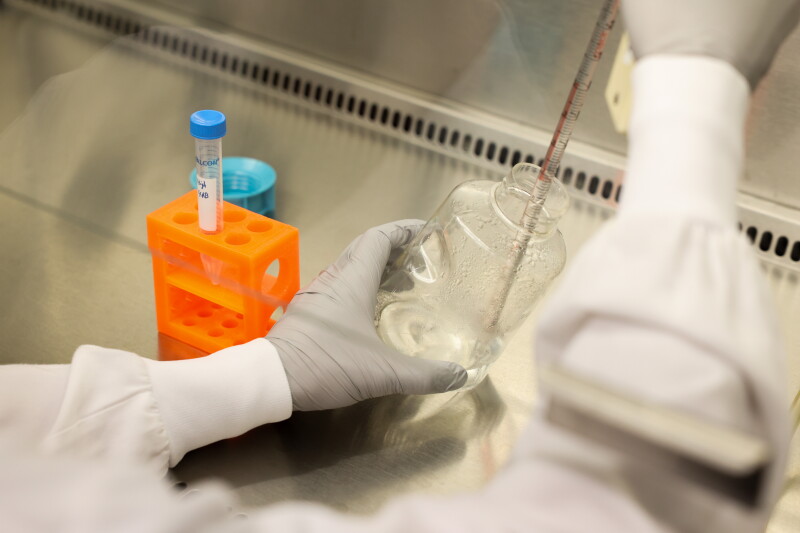
ROCHESTER — New research from a team of Mayo Clinic scientists has produced new insights into gene variants that affect one's breast cancer risk. The study, published in Nature Communications on Tuesday, Nov. 17, concerns variants, or mutations, of the BRCA2 gene. Variants of the BRCA1 and BRCA2 genes can increase one's risk of certain cancers, including breast cancer. The researchers looked at a group of 70 BRCA2 variants considered hypomorphic — only partially disruptive to the gene's function, tumor suppression. "This shows that not all harmful BRCA2 variants carry the same level of breast cancer risk," said Fergus Couch, a Mayo Clinic Comprehensive Cancer Center researcher and the study's corresponding author.
This excerpt comes from the named source. Read the original for the full reporting.
Read the original at Post-Bulletin