Local
Mayor Brandon Johnson's campaign petitions face strong challenges — could they keep him off the ballot?
A Roundtable is a way to meet new people and discuss this article in person at a local coffee shop or other venue.
Roundtables are designed for groups of four, with a shared subject and room for everyone to speak. Come for discussion, with no dating expectation.
Source: Chicago Sun-Times
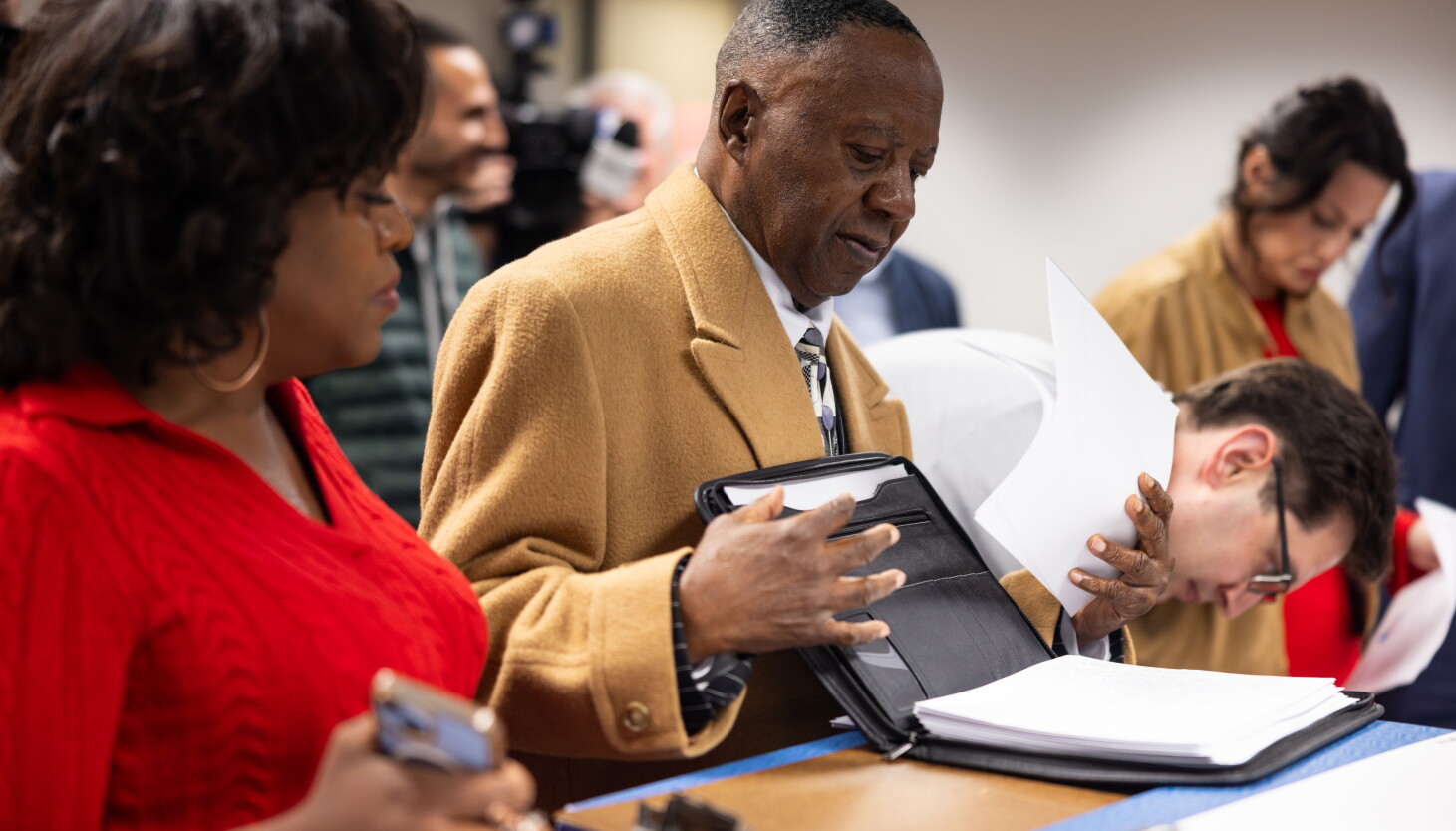
The early stages of a review of challenges to Mayor Brandon Johnson’s campaign nominating petitions point to nearly three-fourths of signatures examined so far being vulnerable to invalidation. On behalf of mayoral candidate Willie Wilson, former state Sen. Rickey Hendon is leading the charge to challenge more than 25,000 of the nearly 32,000 signatures Johnson submitted in his bid for re-election. Candidates need 12,500 signatures to qualify for the Feb. 23 mayoral ballot. Hendon said Chicago Board of Elections hearing officers have ruled against Johnson’s signatures nearly 73% of the time, though hearings have been held on about a third of the challenges so far, as of Monday. That means elections board officers have recommended that more than 6,100 of the mayor’s signatures be tossed. More than 2,200 were recommended to be upheld; another 8,600 were sent back for review.
This excerpt comes from the named source. Read the original for the full reporting.
Read the original at Chicago Sun-Times


