Local
MCC director proposes campus-wide harm response system
Meet in Common connects news with real conversations. Use ThinkMatch to arrange a Roundtable and meet people to discuss this story.
Source: Daily Nexus
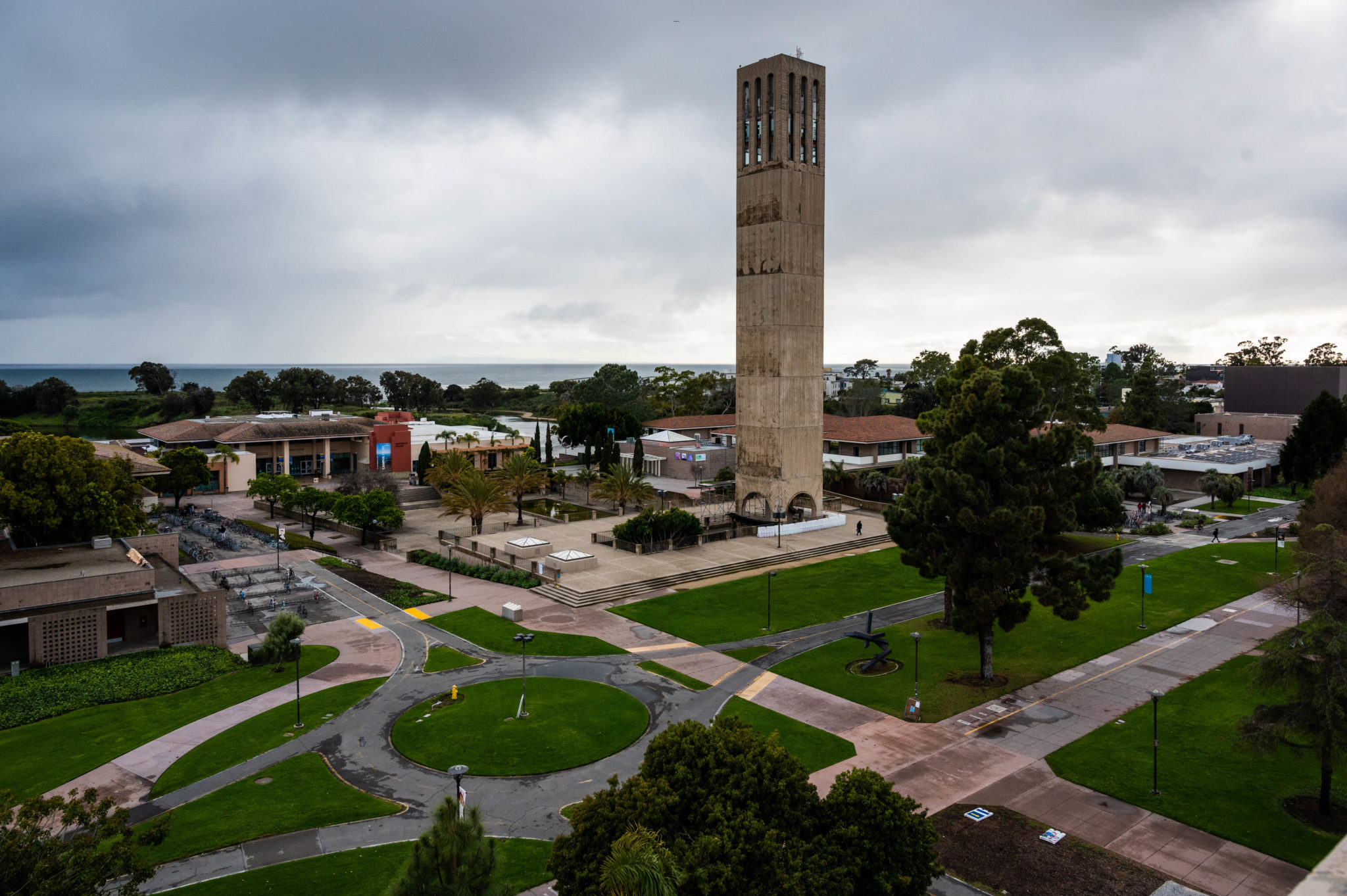
MultiCultural Center Director Afiya Browne drafted a proposal to fill observed gaps in UC Santa Barbara’s consistency toward responding to and repairing identity-based harm. Browne mentioned that students are requesting further transparency around the procedures and processes that follow after reports are made about discriminatory practices, especially if the report filed cannot be effectively addressed by existing advocacy resources. A big issue Browne sees within the existing systems is that they are oftentimes “reactionary.” She sees the student body becoming increasingly diverse, which can lead to more differences to navigate on campus. Because of this, she believes a new system is necessary to proactively state what will happen when harm that affects the campus climate occurs. Browne highlighted Campus Advocacy, Resources and Education (C.A.R.E.) as an “amazing” resource at UCSB to support those affected specifically by interpersonal violence.
This excerpt comes from the named source. Read the original for the full reporting.
Read the original at Daily Nexus