Local
Measure RTM passed at a dire moment for Bay Area transit. Now what?
A Roundtable is a way to meet new people and discuss this article in person at a local coffee shop or other venue.
Roundtables are designed for groups of four, with a shared subject and room for everyone to speak. Come for discussion, with no dating expectation.
Source: Berkeleyside
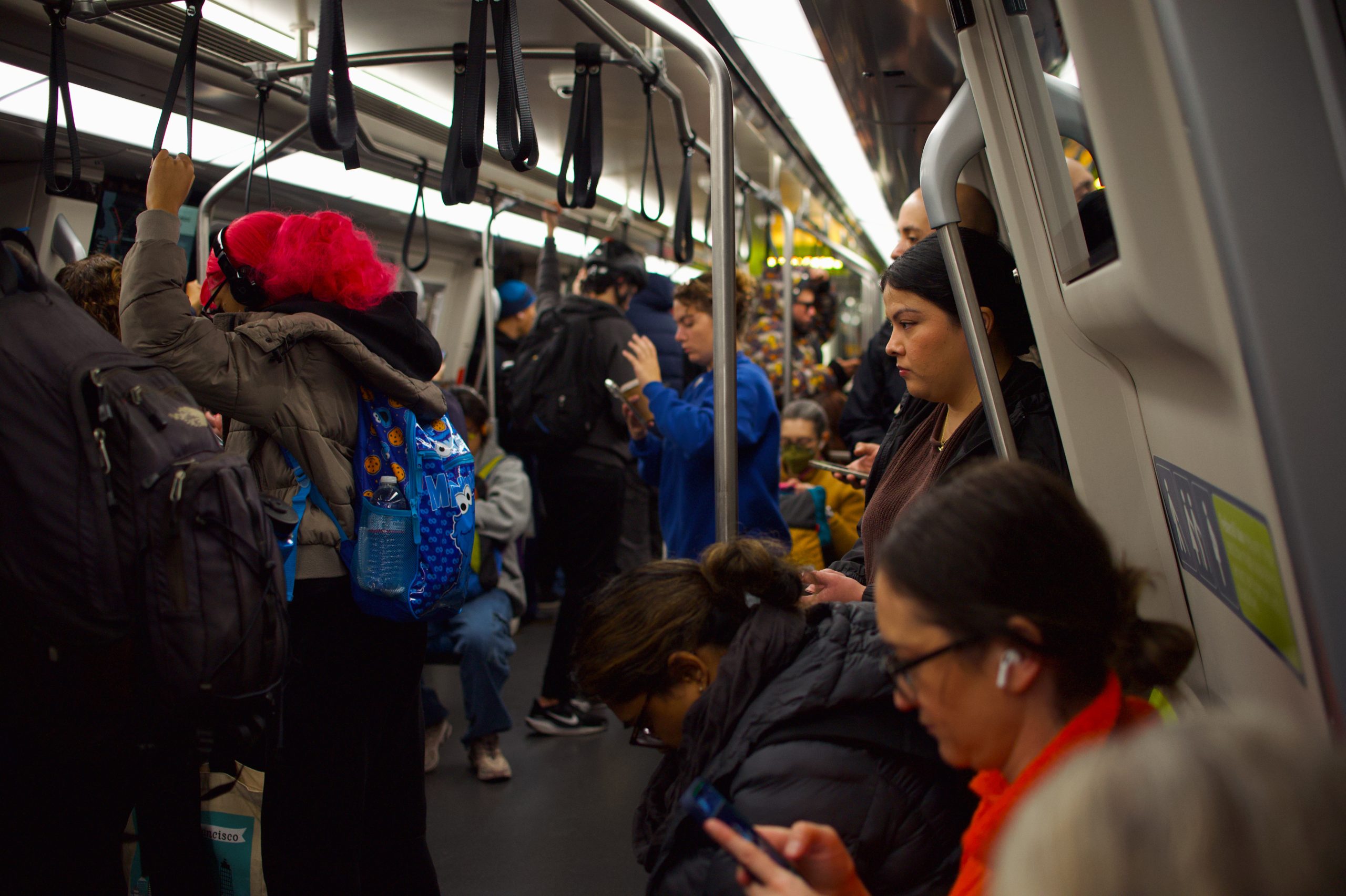
After years of advocacy work, door-knocking and disaster planning by transit agencies and their supporters, the Regional Transit Measure was overwhelmingly approved by voters in five counties, who despite the rising cost of living committed to higher sales taxes to keep public transportation running. As of Nov. 12, the measure, which will add a half-cent sales tax to four counties, including Alameda, and a 1% tax in San Francisco, had garnered 63% of the vote. The money gathered through the levy will raise up to $14 billion over 14 years starting next year — preventing major service cuts at Bay Area transit agencies. The measure also created an oversight body, the Financial Efficiency Review Oversight Committee, that will ensure the money is distributed efficiently. Oversight was seen as so critical to building support for the measure that the Metropolitan Transportation Commission, which will distribute all those billions, seated the committee ahead of time.
This excerpt comes from the named source. Read the original for the full reporting.
Read the original at Berkeleyside