Local
Meet the 6 real people behind Andrew Scott’s ‘Elsinore’
A Roundtable is a way to meet new people and discuss this article in person at a local coffee shop or other venue.
Roundtables are designed for groups of four, with a shared subject and room for everyone to speak. Come for discussion, with no dating expectation.
Source: Out
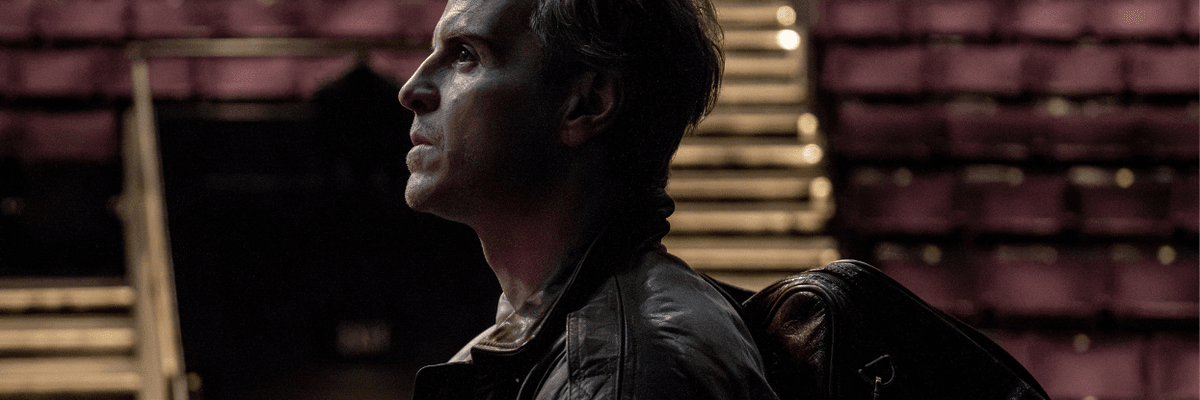
This story originally appeared on The Advocate. In November 1989, Ian Charleson stepped onto the stage of London’s National Theatre to play Hamlet for the last time. His director, Richard Eyre, had spent the run trying to keep his worries from the actor. Years later, when Eyre saw how calmly his screen counterpart handled those performances in Elsinore, he had something to tell screenwriter Stephen Beresford. He hadn’t felt calm at all. Andrew Scott plays Charleson in Elsinore, which opens in select theaters on Friday and expands over Thanksgiving. Best known to movie audiences as the Olympic runner in Chariots of Fire, Charleson died of AIDS-related causes in January 1990. He was 40. At his request, the cause of his death was made public. Beresford spoke with The Advocate about six people whose lives intersect in the film. He came to know some through interviews. He remembered others from his own days as a young actor walking through the National Theatre’s stage door.
This excerpt comes from the named source. Read the original for the full reporting.
Read the original at Out


