Local
Mesa mulls redirecting $52M in bond funds to park repairs
A Roundtable is a way to meet new people and discuss this article in person at a local coffee shop or other venue.
Roundtables are designed for groups of four, with a shared subject and room for everyone to speak. Come for discussion, with no dating expectation.
Source: East Valley Tribune
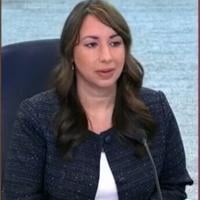
Mesa wants to redirect over $50 million in bond funds originally earmarked for an indoor recreation facility to deferred parks and playground maintenance and water-saving projects.The city will solicit public feedback on the proposal before the council pulls the trigger.Voters in 2024 overwhelmingly approved the $170 million general obligation bond to fund improvements to Mesa’s recreation, education and cultural facilities. “We are not eliminating the need for an indoor recreation center or eliminating that project as a whole,” explained Andrea Alicoate, Parks, Recreation and Community Facilities director at the Nov. 12 study session. Andrea Alicoate, Parks, Recreation and Community Facilities director, tells Mesa Council that bond monies set aside for an indoor recreation center would be better used to fund backlogged parks maintenance projects.
This excerpt comes from the named source. Read the original for the full reporting.
Read the original at East Valley Tribune

