Local
Microsoft's Cobalt 200 vs. AMD Turin: what Arm's benchmarks actually measured
A Roundtable is a way to meet new people and discuss this article in person at a local coffee shop or other venue.
Roundtables are designed for groups of four, with a shared subject and room for everyone to speak. Come for discussion, with no dating expectation.
Source: AIStockWire
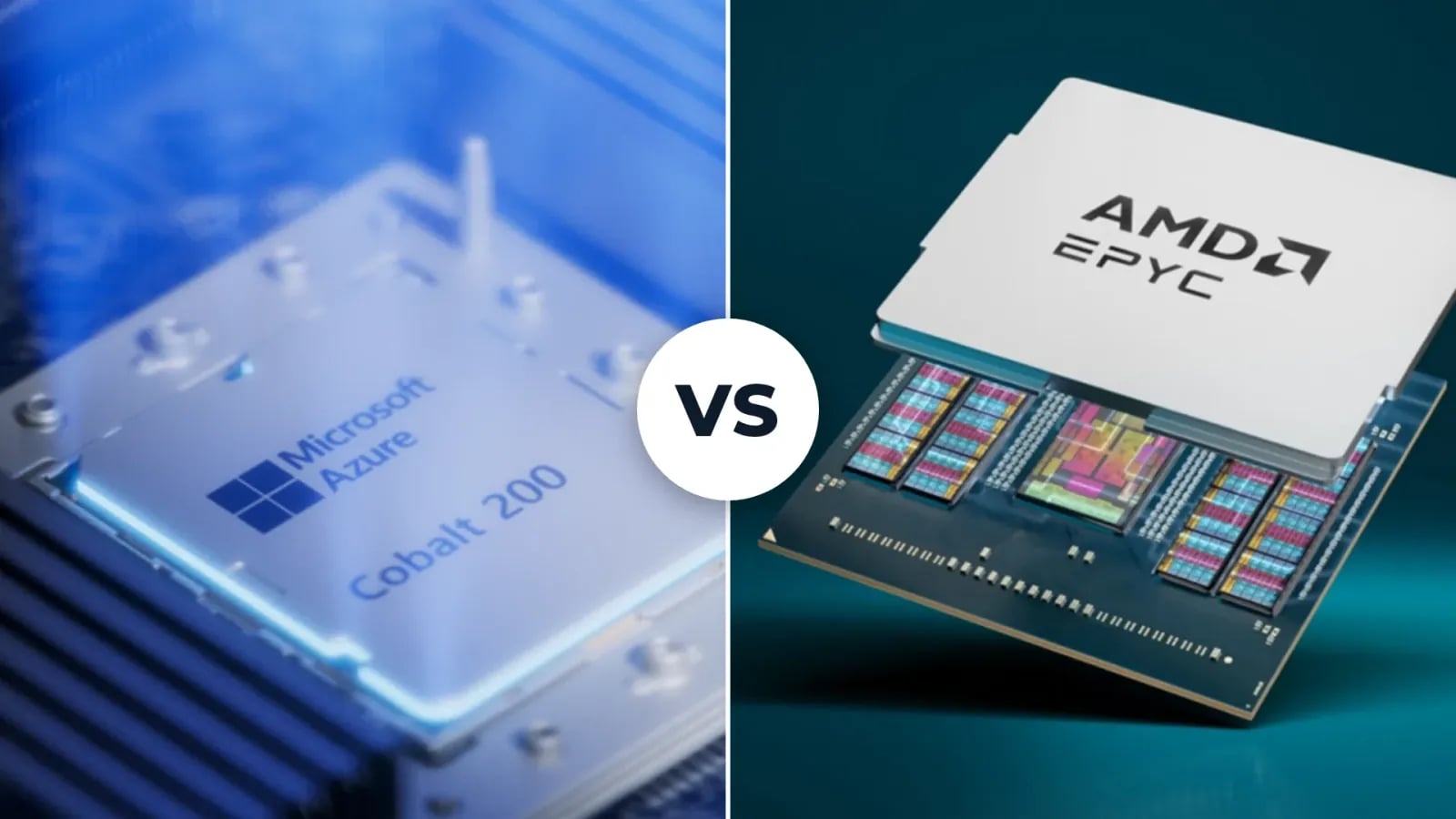
Key points Microsoft opens Cobalt 200 to Azure customers How Arm compared Cobalt with AMD What Arm's coding-agent test measured Where Arm expects its cloud server share to go Microsoft (MSFT) has made its second-generation Cobalt 200 processor generally available to Azure customers. The in-house chip powers virtual machines for databases, web services, and AI agent workloads in 14 regions. Microsoft says the new machines deliver up to 50% better performance than those running its first Cobalt chip. Separately, Arm Holdings (ARM), which designs Cobalt 200's cores, reported gains of up to 139% over Azure machines running Advanced Micro Devices (AMD) EPYC Turin processors. The AMD comparison comes from Arm's own tests. Its methodology document says results may vary. The 139% figure is from a MySQL database test, but Arm doesn't specify whether it measures throughput or throughput per dollar. Cobalt 200 is available in 14 Azure regions Microsoft announced the launch on Nov.
This excerpt comes from the named source. Read the original for the full reporting.
Read the original at AIStockWire