Local
Midterm election to decide key transit outcomes for Stanford students
Meet in Common connects news with real conversations. Use ThinkMatch to arrange a Roundtable and meet people to discuss this story.
Source: The Stanford Daily
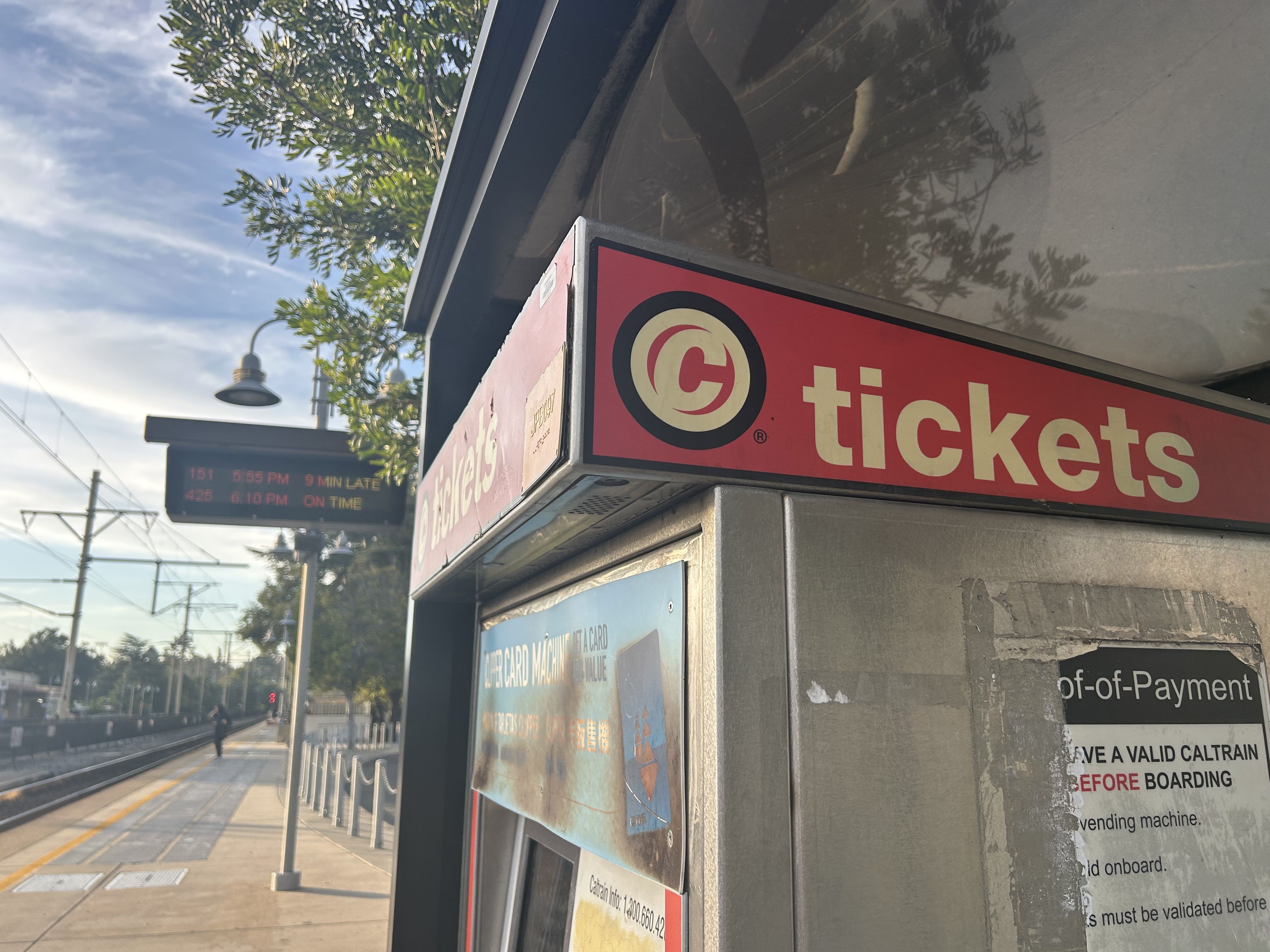
Five Bay Area counties will decide the fate of a key transit policy on Tuesday, affecting multiple transit systems that Stanford students rely on. The Regional Transit Measure, also known as Measure RTM, would enact a 0.5% sales tax in four of the counties, alongside a 1% sales tax in San Francisco, to raise funds that proponents say are necessary to rescue public transportation in the Bay Area. Most at risk of service cuts, according to proponents of Measure RTM, are the Bay Area Rapid Transport (BART) and Caltrain systems. “Measure RTM will prevent severe cuts to Caltrain and BART,” Adina Levin, executive director of transit advocate not-for-profit organization Seamless Bay Area, wrote to The Daily. “If the measure fails that will limit the mobility of Stanford students.” Urban studies and public policy double major Minji Cho ’28 agrees.
This excerpt comes from the named source. Read the original for the full reporting.
Read the original at The Stanford Daily