Local
Mike Frisch: Lessons learned from the 2026 fishing season
Meet in Common connects news with real conversations. Use ThinkMatch to arrange a Roundtable and meet people to discuss this story.
Source: Grand Forks Herald
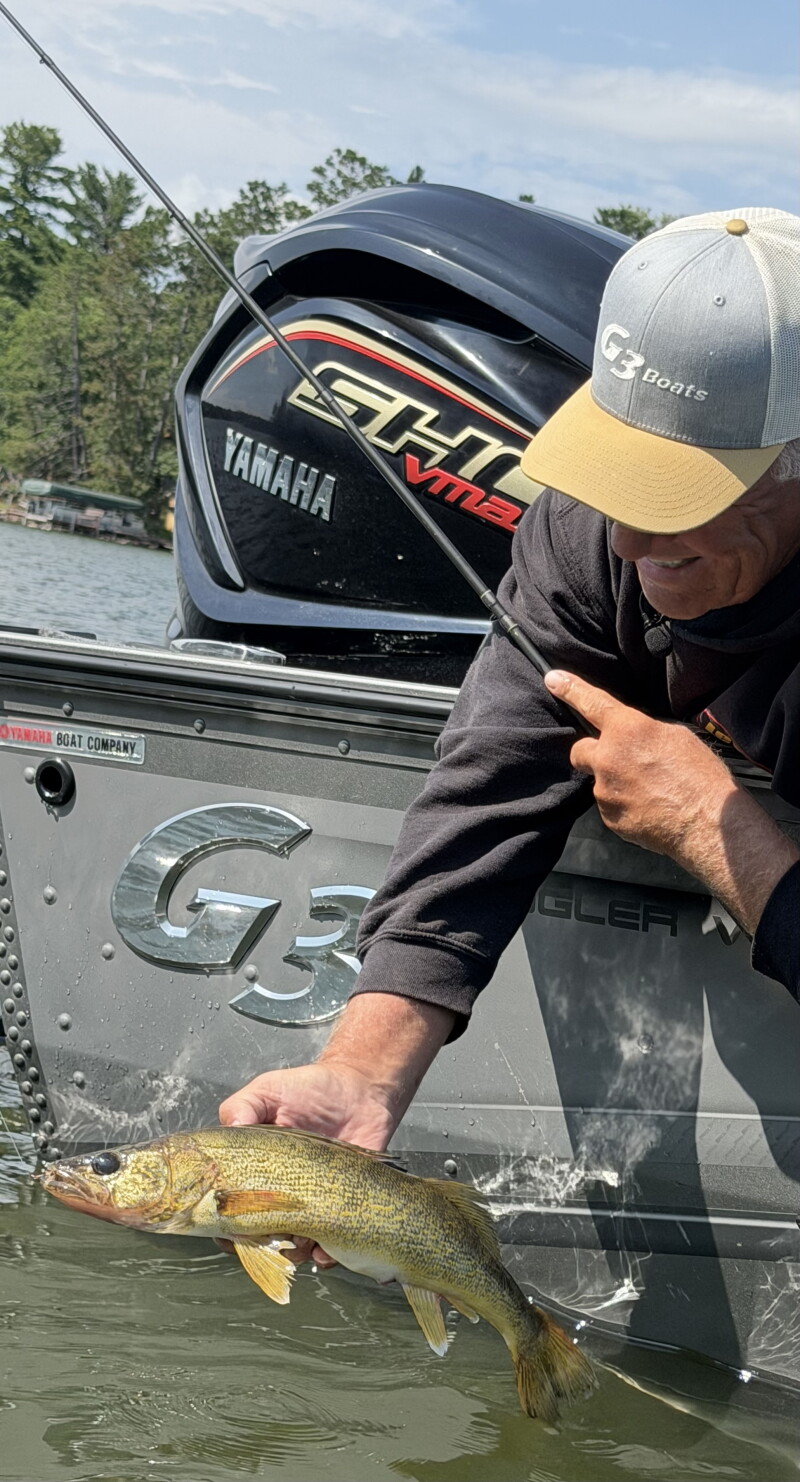
The 2026 open water fishing season is over for most of us living in the Midwest. With that in mind, I'm in a reflective mood and am looking back at the season. Here are some of those reflections. First, clearing waters mostly because of zebra mussel infiltrations have "changed the game" on lots of lakes I fish. First, clear water means more sunlight penetration resulting in weeds growing deeper than before. Second, many lakes used to have prominent outside weed edges. Those edges are commonly referred to as the “deep weedline.” Now, however, not only do the weeds grow deeper, but those edges are less prominent with “clumps” of weeds appearing at varying depths. The result for me has been finding fish in deeper waters than in the past and trying to figure out ways to fish in and around random weeds. Suffice to say, I don't have all the answers to this new challenge.
This excerpt comes from the named source. Read the original for the full reporting.
Read the original at Grand Forks Herald