Local
Milestone - Obituary
A Roundtable is a way to meet new people and discuss this article in person at a local coffee shop or other venue.
Roundtables are designed for groups of four, with a shared subject and room for everyone to speak. Come for discussion, with no dating expectation.
Source: Jewish News of Greater Phoenix
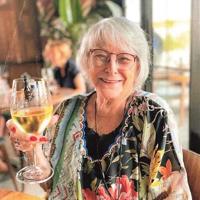
LIBBY BEATRICE (BRAININ) WEINERLibby Beatrice (Brainin) Weiner, 91, passed away in the late hours on Nov. 4, 2026, in Phoenix.She was born in Brooklyn, New York, on Aug. 31, 1935, and spent her formative years in Danville, Illinois. Her parents were Bert Brainin, who passed in 1962, and Fannie (Margolin) Brainin Friedman, who passed in 1981.Libby had many friends, who remembered her as a sharp dresser. Her enthusiasm for music and food was matched only by her love of shopping, jewelry and reading.She is survived by her three children, daughter Abbe and sons David and Mark; grandchildren Alex and Zoe (Evan); sons-in-law Edgar and Robert; and daughter-in-law Diane.Libby attended the University of Illinois, where she was the only woman at the time to major in hospitality management. She was a proud member of Phi Sigma Sigma, and met her husband, Bernie, while at the university. They married on June 24, 1956.
This excerpt comes from the named source. Read the original for the full reporting.
Read the original at Jewish News of Greater Phoenix