Local
Milwaukee Tool lawsuit tests whether U.S. companies can be held liable for forced labor abroad
Meet in Common connects news with real conversations. Use ThinkMatch to arrange a Roundtable and meet people to discuss this story.
Source: Madison365
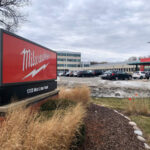
by Natalie Yahr / Wisconsin Watch Can U.S. companies be held liable for benefiting from forced labor abroad? That’s the question before a federal appeals court in a case that alleges Brookfield-based Milwaukee Electric Tool Corp. relied on a supplier that produced its work gloves in a Chinese prison. A 2023 Wisconsin Watch investigation detailed the account of Taiwanese human rights activist and college administrator Lee Ming-che, who spent nearly five years at Chishan Prison in China’s central Hunan Province following a 2017 conviction for “subverting state power.” Lee, who was released in 2022, told Wisconsin Watch that he and hundreds of other prisoners were forced to work about 13 hours a day, seven days a week for the equivalent of about 48 cents a day. Milwaukee Tool denied the allegations, telling Wisconsin Watch it has “found no evidence to support the claims being made” about its link to forced labor.
This excerpt comes from the named source. Read the original for the full reporting.
Read the original at Madison365