Local
Minnesota DNR sets 2-walleye limit for winter fishing on Mille Lacs Lake
A Roundtable is a way to meet new people and discuss this article in person at a local coffee shop or other venue.
Roundtables are designed for groups of four, with a shared subject and room for everyone to speak. Come for discussion, with no dating expectation.
Source: Brainerd Dispatch
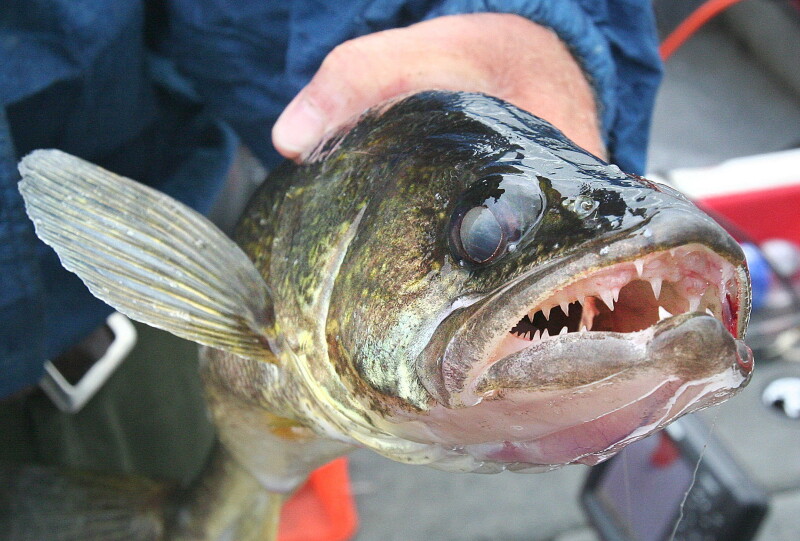
BRAINERD — Anglers fishing Mille Lacs Lake during the upcoming ice fishing season may keep two walleyes longer than 17 inches, with only one fish exceeding 20 inches. “Our fall netting survey showed fewer adult walleyes than we observed last year, which led us to reduce the winter limit from three fish to two,” said Brian Nerbonne, Minnesota Department of Natural Resources central region fisheries manager, in a news release. “Even with that decline, the walleye population remains healthy, and we are pleased to continue providing anglers with a harvest opportunity during the winter season.” Even though the 2026 assessment found lower numbers of adult walleyes than in 2025, the surveys also documented strong numbers of 2-year-old walleyes. These are expected to meaningfully contribute to the fishery as they grow and mature. The two-fish limit provides a harvest opportunity while supporting the long-term sustainability of Mille Lacs Lake’s walleye population.
This excerpt comes from the named source. Read the original for the full reporting.
Read the original at Brainerd Dispatch

