Local
Minnesota's newest city, Northern, gets sworn in
A Roundtable is a way to meet new people and discuss this article in person at a local coffee shop or other venue.
Roundtables are designed for groups of four, with a shared subject and room for everyone to speak. Come for discussion, with no dating expectation.
Source: Post-Bulletin
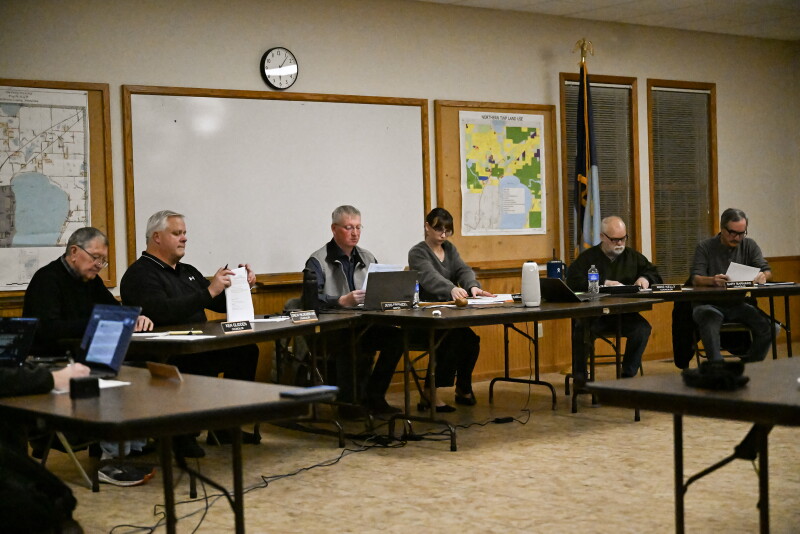
NORTHERN, Minn. — It's official. Following the Nov. 3 election, Northern Township became Minnesota's newest city on Monday, Nov. 23, by swearing in its first-ever mayor, city council members and city clerk during its first city council meeting. Community members packed into the small Northern Town Hall with a sense of excitement in the air. The first step on the city council agenda was to swear in new Northern Mayor Jess Frenzel along with newly voted-in City Council members Ken Glidden, Drew Hildenbrand, Mike Kelly and Gary Barnard. Barnard and Kelly were elected to two-year terms, while Hildenbrand and Glidden were elected to four-year terms. "Sometimes it feels like it's just another chapter in the day-to-day work of serving this community," Frenzel said, starting the night. "Other times it feels almost surreal. What this community, this board, and our many partners have accomplished is something I will be proud of for the rest of my life.
This excerpt comes from the named source. Read the original for the full reporting.
Read the original at Post-Bulletin


