Local
Missouri AG agrees to let Torch Electronics keep slot machines in veterans, fraternal halls
Meet in Common connects news with real conversations. Use ThinkMatch to arrange a Roundtable and meet people to discuss this story.
Roundtables are designed for groups of four, with a shared subject and room for everyone to speak. Come for discussion, with no dating expectation.
Source: Star Journal
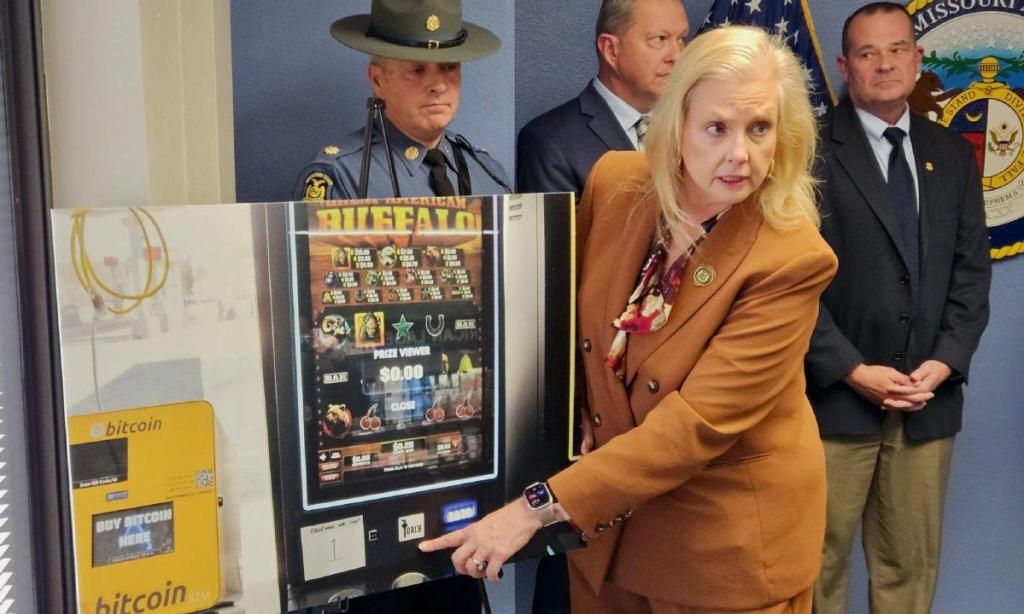
SPRINGFIELD — Torch Electronics will pay the state $13.5 million over two years and keep its illegal slot machines out of for-profit businesses to avoid state prosecution for violating gambling laws, Attorney General Catherine Hanaway said Monday. But under the agreement, the company can continue operating its machines in veterans halls, fraternal clubs and other qualifying nonprofit locations. Torch, the largest vendor of the cash-prize games once common in convenience stores and bars, did not admit its games violate state laws against unlicensed games of chance. The company also will be allowed to enroll new nonprofit locations until Jan. 1, 2027, Hanaway said. “This marks a significant step forward in our efforts to eradicate illegal gaming in Missouri,” Hanaway said. “It’s a big deal. This is a big win for us. It’s a big win for the people of the state.” Torch declined to comment on the agreement.
This excerpt comes from the named source. Read the original for the full reporting.
Read the original at Star Journal