Local
Missouri’s new interim education commissioner sparks debate over political influence
A Roundtable is a way to meet new people and discuss this article in person at a local coffee shop or other venue.
Roundtables are designed for groups of four, with a shared subject and room for everyone to speak. Come for discussion, with no dating expectation.
Source: Star Journal
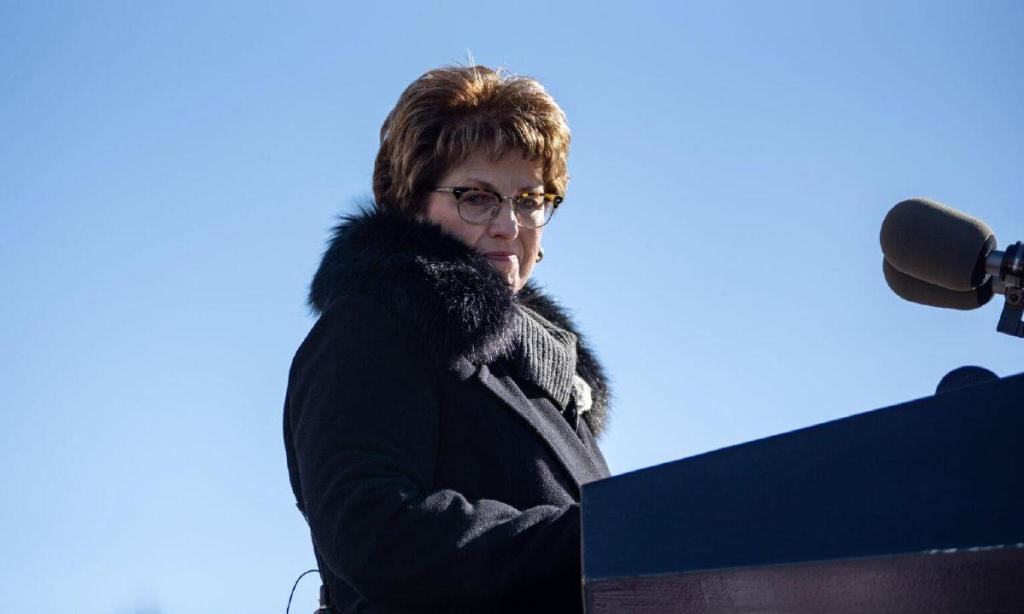
Missouri’s 1945 constitution put the selection of the state’s education commissioner in the hands of an appointed board, a change intended to insulate education leadership from partisan politics. The State Board of Education’s decision last week to name Senate President Pro Tem Cindy O’Laughlin as interim commissioner has renewed questions about whether those safeguards are working as intended. O’Laughlin, a Shelbina Republican, breaks from a tradition of career educators leading the department. Critics worry her appointment could bring partisan politics into an agency designed to operate independently. “The Missouri Constitution includes an independent State Board of Education to keep politics out of the commissioner hiring process,” the Missouri State Teachers Association wrote in a statement Friday.
This excerpt comes from the named source. Read the original for the full reporting.
Read the original at Star Journal


