Local
Montana Fish, Wildlife and Parks to Increase Surveying Efforts After Invasive Mussel Larva Detected in Whitefish Lake
Meet in Common connects news with real conversations. Use ThinkMatch to arrange a Roundtable and meet people to discuss this story.
Source: Flathead Beacon
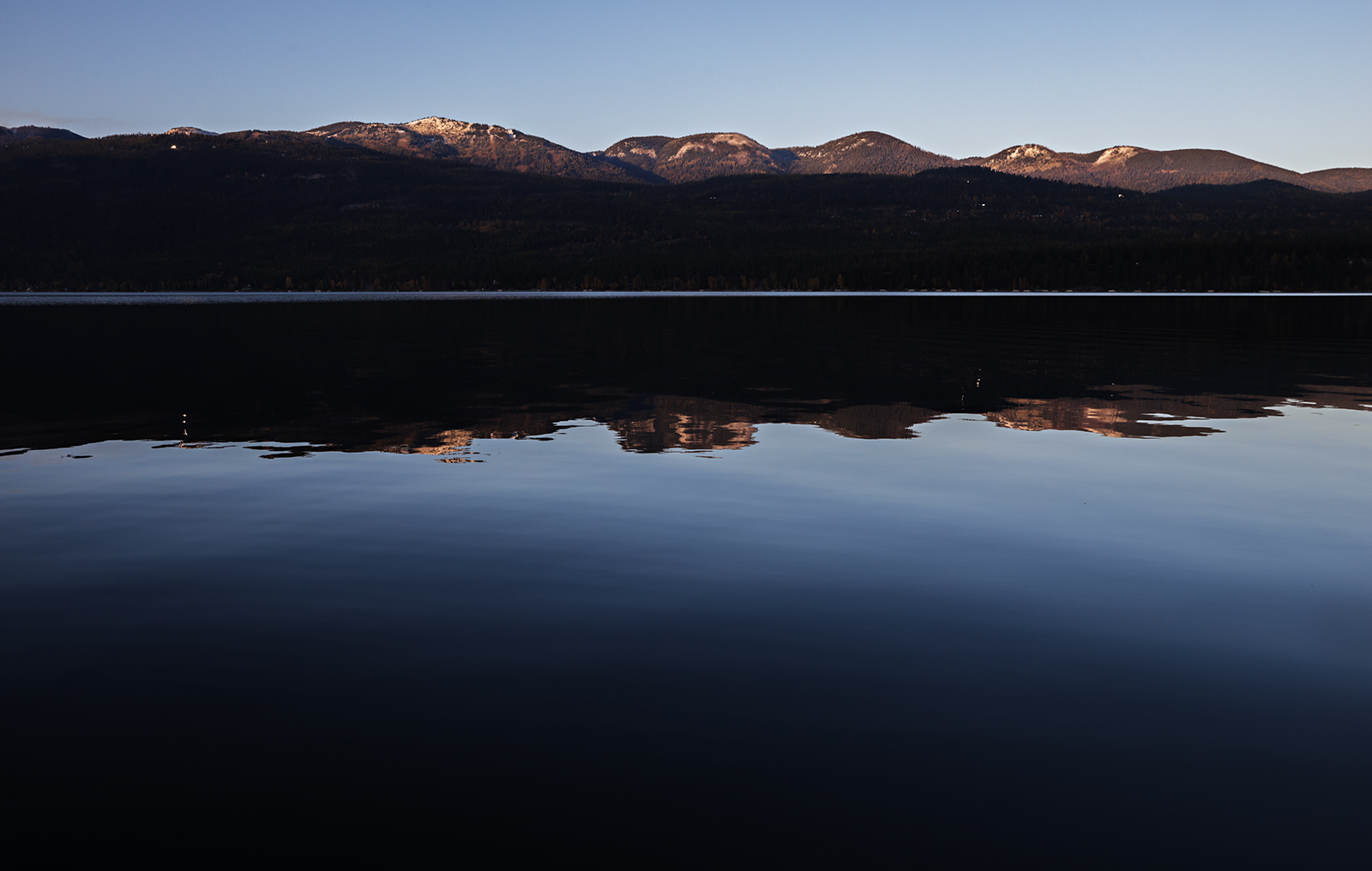
Montana Fish, Wildlife and Parks (FWP) confirmed the presence of a nonviable invasive mussel larva at Whitefish Lake, marking the first detection of invasive mussel species in the state for nearly a decade. The discovered larva was not yet cause for concern, FWP officials said, as monitoring has not revealed further evidence of invasive mussel species. At the Nov. 2 Whitefish City Council meeting, city officials and FWP reaffirmed their commitment to preventing the spread of invasive aquatic species (AIS) into local waters through extensive surveying and preventive measures. According to Tom Woolf, FWP’s aquative invasive species supervisor, a sample collected by Whitefish Lake Institute in July found a juvenile mussel on a City Beach dock. FWP was unable to determine the species, but stated that the mussel met the parameters of an invasive species. The sample, Woolf said, was dead and nonreproductive.
This excerpt comes from the named source. Read the original for the full reporting.
Read the original at Flathead Beacon