Local
Moran Introduces Legislation to Bring American Inventions Home from Overseas
A Roundtable is a way to meet new people and discuss this article in person at a local coffee shop or other venue.
Roundtables are designed for groups of four, with a shared subject and room for everyone to speak. Come for discussion, with no dating expectation.
Source: The Henderson News
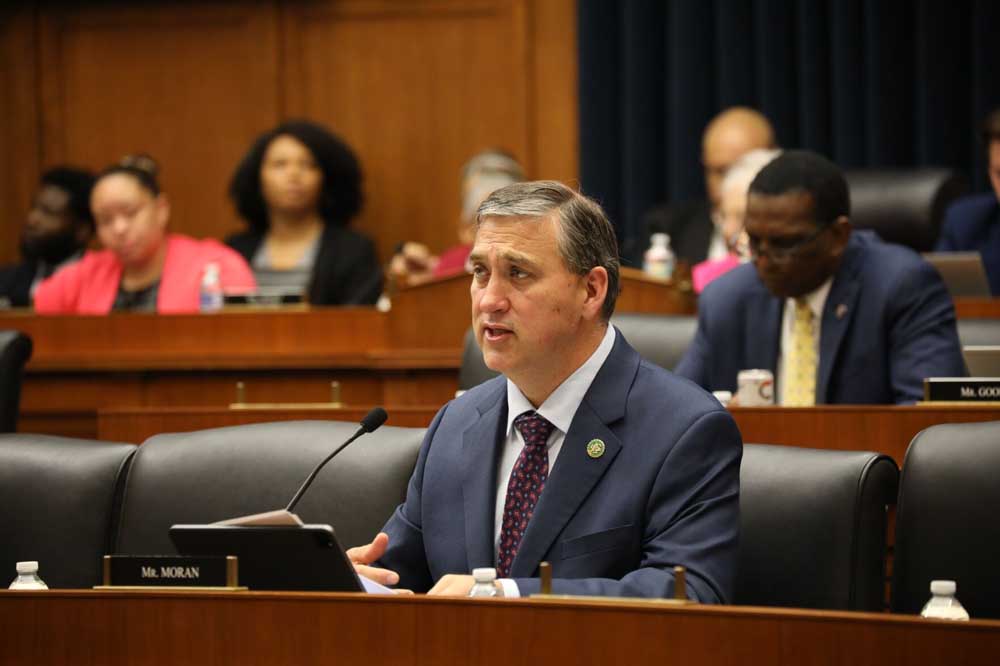
WASHINGTON – U.S. Representative Nathaniel Moran (TX-01) introduced the Investing in American Innovation Act. The bill removes tax code barriers that discourage American companies from bringing intellectual property (IP) held by their foreign subsidiaries back to the United States. “American ideas should be owned in America,” said Rep. Moran. “We need IP here in the United States to boost manufacturing which creates jobs. Right now, U.S. multinational companies could face unintended tax consequences for bringing their own innovations home, so too much of that value stays parked overseas. This legislation removes those tax penalties while keeping strong guardrails in place. When intellectual property comes home, the research, the investment, and the jobs that come with it are more likely to follow.” This legislation: ● Removes the Base Erosion and Anti-Abuse Tax (BEAT) when bringing intellectual property home.
This excerpt comes from the named source. Read the original for the full reporting.
Read the original at The Henderson News