Local
Muere un niño menor de 5 años con sarampión en Virginia
A Roundtable is a way to meet new people and discuss this article in person at a local coffee shop or other venue.
Roundtables are designed for groups of four, with a shared subject and room for everyone to speak. Come for discussion, with no dating expectation.
Source: Qué Pasa
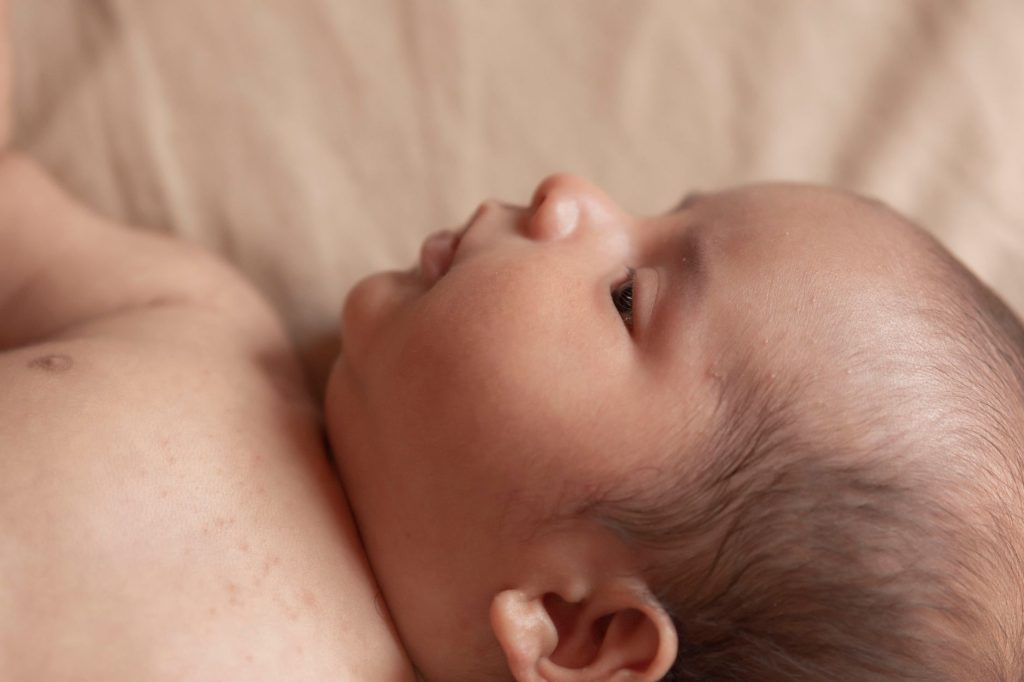
Marina Aleman Qué Pasa Richmond, VA. — El Departamento de Salud de Virginia (VDH) informó el viernes 20 de noviembre sobre la muerte de un niño de entre 0 y 4 años que había dado positivo para sarampión. Se trata de la primera muerte asociada al sarampión registrada en Virginia en 2026, según las autoridades sanitarias. Para proteger la privacidad de la familia, el departamento no divulgará información adicional sobre el menor ni sobre las circunstancias de su fallecimiento. El anuncio se produce en medio de un aumento reciente de la actividad del sarampión en algunas zonas de Virginia, lo que ha llevado a las autoridades a reforzar sus recomendaciones de prevención. ¿Por qué es peligroso el sarampión? El sarampión es una enfermedad viral altamente contagiosa que puede causar complicaciones graves, especialmente en niños pequeños. Aunque muchas personas se recuperan, la infección puede provocar: Neumonía: una infección pulmonar que puede dificultar la respiración.
This excerpt comes from the named source. Read the original for the full reporting.
Read the original at Qué Pasa


