Local
Nathan for Truth
A Roundtable is a way to meet new people and discuss this article in person at a local coffee shop or other venue.
Roundtables are designed for groups of four, with a shared subject and room for everyone to speak. Come for discussion, with no dating expectation.
Source: Source Weekly
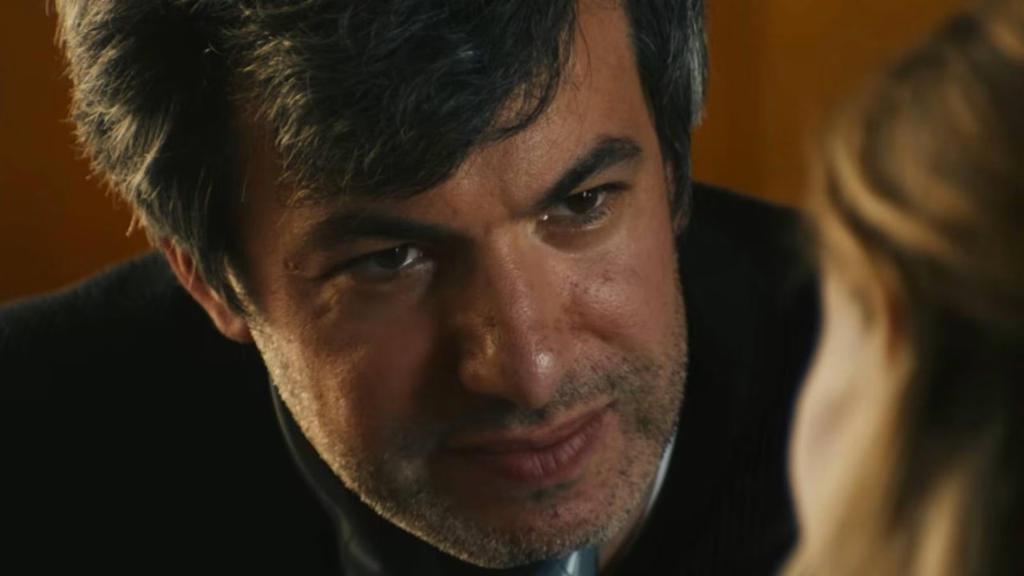
Full spoilers below: Don’t read if You Haven’t Seen “You Can See Everything!“ Now that Nathan Fielder and Lance Oppenheim’s “You Can See Everything” has been out for a few weeks, I think it’s time to have a spoiler-filled chat about why it’s such a groundbreaking piece of filmmaking. Not sure if this is a hot take, but I have no real interest in Elizabeth Holmes or the whole Theranos saga, so my interest with “You Can See Everything” as a film has less to do with her than it does with the nature of documentaries, the modern malleability of truth and the absolute impossibility of actually seeing everything. The film’s themes are quietly set up in the opening scene where we see a close-up of Holmes’ partner, Billy Evans, on the phone discussing her. He’s speaking for Holmes like she isn’t in the room. Like he is her voice now. Then the camera pulls back and we see Holmes sitting a few feet away, rocking her newborn baby.
This excerpt comes from the named source. Read the original for the full reporting.
Read the original at Source Weekly