Local
National View: For rural hospitals, stable and predictable funding is life or death
A Roundtable is a way to meet new people and discuss this article in person at a local coffee shop or other venue.
Roundtables are designed for groups of four, with a shared subject and room for everyone to speak. Come for discussion, with no dating expectation.
Source: Duluth News Tribune
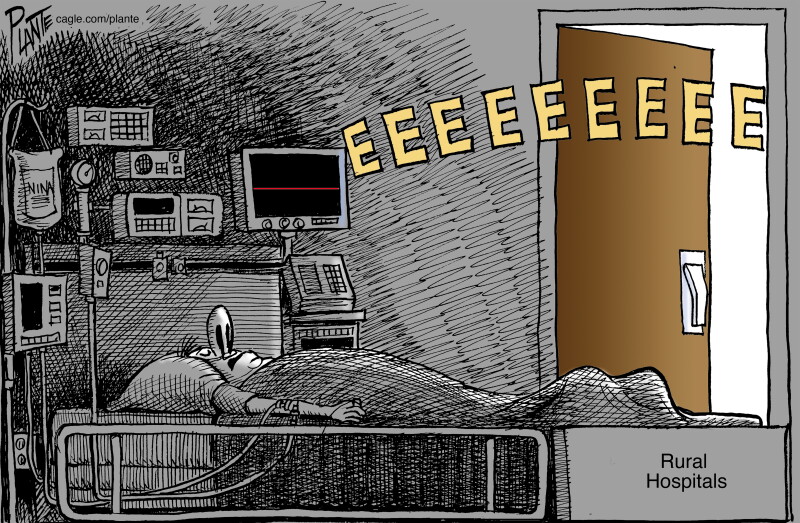
More than 100 rural hospitals closed during the past decade, including, in Minnesota, Regina in Hastings in 2022, Mayo in Springfield in 2020, and Unity in Fridley in 2016. According to one analysis of hospital financial data, over 25% of current rural hospitals are at risk of closing, and, in 11 states including Minnesota, 50% or more are at risk. Many rural hospitals have also reduced the services they provide to stay solvent. For instance, when Greene County General Hospital in Indiana closed its obstetrics department, the decision was made not because local families no longer needed maternity care. The hospital simply could no longer afford to keep the service open. Expectant mothers must now travel farther to receive prenatal and childbirth care. The loss of healthcare services can also have life-or-death consequences. Rural communities are home to many workers employed in agriculture, manufacturing, mining, forestry, and other physically demanding occupations.
This excerpt comes from the named source. Read the original for the full reporting.
Read the original at Duluth News Tribune


