Local
Native organizers gather for 57th National Day of Mourning in Plymouth after split court ruling
A Roundtable is a way to meet new people and discuss this article in person at a local coffee shop or other venue.
Roundtables are designed for groups of four, with a shared subject and room for everyone to speak. Come for discussion, with no dating expectation.
Source: Madison365
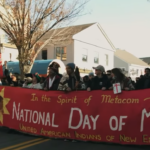
Indigenous people and their supporters are gathering today on Cole’s Hill in Plymouth, Massachusetts, for the 57th National Day of Mourning, two days after a judge ruled in a dispute between organizers and the town over how the Thanksgiving Day protest is staged. The observance, organized by United American Indians of New England (UAINE), begins at noon Eastern time (11 a.m. Central) and will be livestreamed, according to a UAINE news release. Participants fast, gather on the hill above Plymouth Rock for prayer and ceremony, hear Indigenous speakers and march through downtown Plymouth before a closing prayer, according to court filings described by the Boston Globe. The event can draw more than 1,000 people. On Tuesday, Plymouth Superior Court Judge Brian Glenny issued a split decision. He ruled that the town is not required to provide a stage for the event but may not require UAINE to obtain permits, insurance or a financial bond, the Plymouth Independent reported.
This excerpt comes from the named source. Read the original for the full reporting.
Read the original at Madison365


