Local
Natural Sightings: When twigs come to life
Meet in Common connects news with real conversations. Use ThinkMatch to arrange a Roundtable and meet people to discuss this story.
Source: Tehachapi News
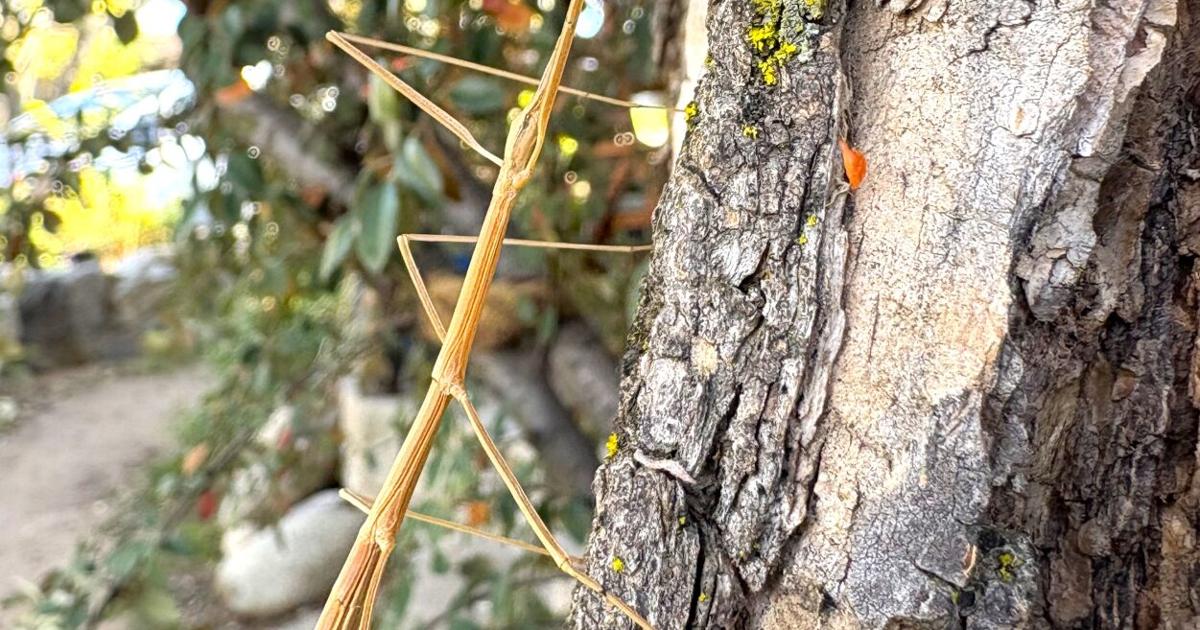
A Walkingstick on the side of a catalpa tree. Photo by Tom Huxley Tom Huxley took this photo in the Tehachapi Valley of a Walkingstick on the side of a catalpa tree.This individual appears to be a Western Short-horned Walkingstick (Parabacillus hesperus), probably the most common of the few Walkingstick species in California. They are typically two and one-half inches to three and one-half inches long, and can be from tan to dark brown, or any shade in between.Despite their common name, their antennae may seem long enough to actually be another set of legs, but these sensory appendages are considerably shorter than the antennae of other Walkingstick species.They are herbivorous, and typically eat grasses, mountain mahogany, globemallow and buckwheats. Unlike many tropical species of Walkingsticks, they do not have wings. These gentle, slow-moving insects have only one defense: their cryptic appearance, which enables them to blend right into the vegetation.
This excerpt comes from the named source. Read the original for the full reporting.
Read the original at Tehachapi News