Local
Nature Notes: Muskrat Love
Meet in Common connects news with real conversations. Use ThinkMatch to arrange a Roundtable and meet people to discuss this story.
Roundtables are designed for groups of four, with a shared subject and room for everyone to speak. Come for discussion, with no dating expectation.
Source: Teton Valley News
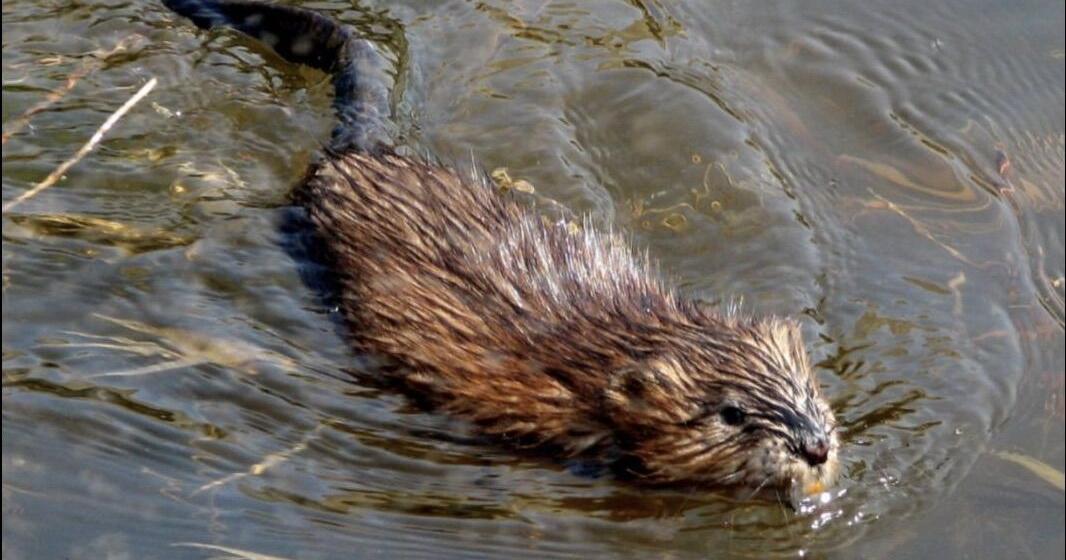
Do you remember the song Muskrat Love, a tune people either loved or loathed back in the 1970s. “Muskrat Suzie, Muskrat Sam, Do the jitterbug at a Muskrat Land. . . “. Well beyond a catchy tune inspired by their squeaking and squealing, muskrats feature prominently in several Native American cultures.In one creation myth, a muskrat swims to the bottom of the sea to pull up mud and create land. Some tribes used muskrats to predict the weather by observing when they built their winter shelters.They live in freshwater and saltwater wetlands, rivers, and lakes. They are excellent swimmers with flattened tails and webbed hind feet to aid their navigation. Muskrates can stay underwater for up to seventeen minutes! The muskrat is not a rat, but rather a large rodent closely related to voles, hamsters, and lemmings.
This excerpt comes from the named source. Read the original for the full reporting.
Read the original at Teton Valley News


