Local
Navy’s 2027 shipbuilding plan would cost $54B a year, federal agency says
A Roundtable is a way to meet new people and discuss this article in person at a local coffee shop or other venue.
Roundtables are designed for groups of four, with a shared subject and room for everyone to speak. Come for discussion, with no dating expectation.
Source: Navy Times
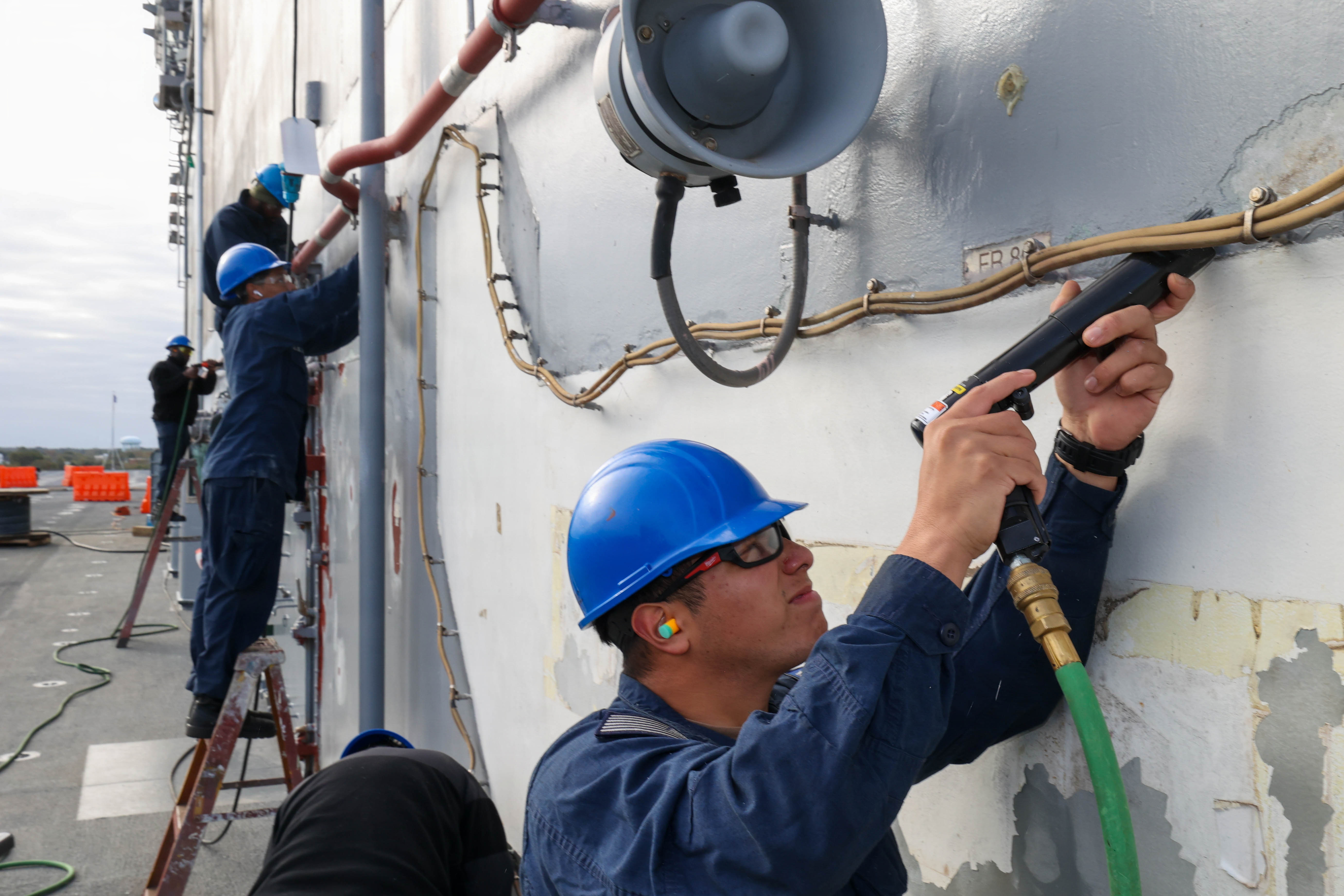
The Congressional Budget Office released a report Thursday breaking down the financial implications of the U.S. Navy’s 2027 plan to invest in more ships and unmanned vessels over the next 30 years. The federal agency predicted that the annual cost of building ships will hover around $54 billion in 2026 dollars, an 18% uptick from the Navy’s analysis, according to the office. “CBO estimates that the Navy’s 2027 plan would cost 41 percent more annually in real terms (that is, with costs adjusted to remove the effects of inflation) than the average amount appropriated over the past 5 years,” the report said. As part of its shipbuilding blueprint, the Navy would increase the number of ships in the fleet from 286 to 398 by 2056; purchase 371 new combat ships and combat logistics and support ships; 58 new and 29 used auxiliary ships; 72 medium unmanned surface vessels; and 15 nuclear-powered guided missile battleships.
This excerpt comes from the named source. Read the original for the full reporting.
Read the original at Navy Times