Local
NCBCP And Black Women’s Roundtable Mourn The Passing Of Trailblazing Leader Andrea Stewart-Cousins
A Roundtable is a way to meet new people and discuss this article in person at a local coffee shop or other venue.
Roundtables are designed for groups of four, with a shared subject and room for everyone to speak. Come for discussion, with no dating expectation.
Source: Black Star News
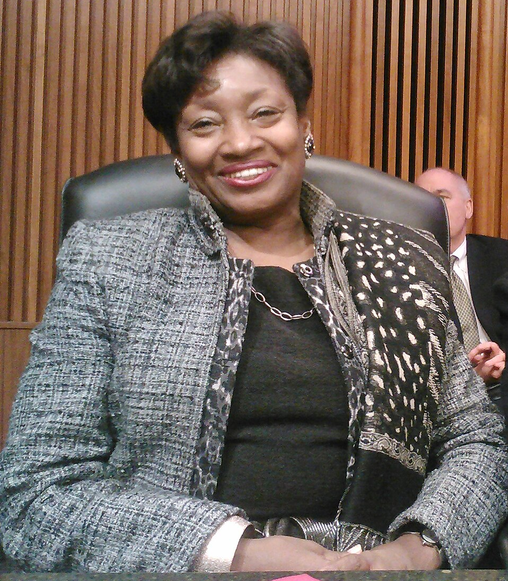
Washington, D.C. — Upon the passing of Andrea Stewart-Cousins, Melanie L. Campbell, president and CEO of the National Coalition on Black Civic Participation and national convener of the Black Women’s Roundtable, issued the following statement: Today we grieve the loss of an extraordinary woman whose life embodied the strength, brilliance, and political power of Black women. Andrea Stewart-Cousins understood the assignment. She demonstrated what is possible when Black women not only participate in the political process but are entrusted to lead, govern, and shape the future of our communities. Her historic rise to leadership in the New York State Senate was a victory for every Black woman who has ever been told to wait her turn, every young girl who dreams of public service, and every community fighting to be heard.
This excerpt comes from the named source. Read the original for the full reporting.
Read the original at Black Star News


