Local
Nearly 400 glaciers have vanished across the West as climate warms, study finds
A Roundtable is a way to meet new people and discuss this article in person at a local coffee shop or other venue.
Roundtables are designed for groups of four, with a shared subject and room for everyone to speak. Come for discussion, with no dating expectation.
Source: Sierra Sun
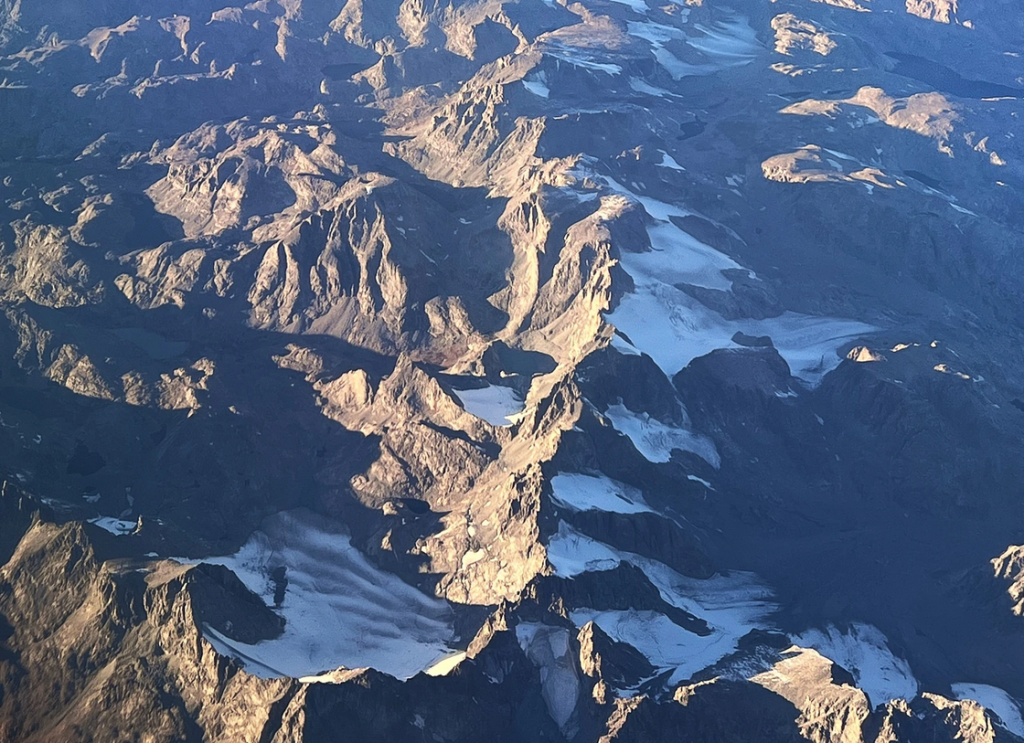
New research documents widespread glacier loss, raising concerns about the future of mountain streams and ecosystems. Despite its name, St. Mary’s is technically a snowfield, not a true glacier. But its disappearance offers a striking example of the changes unfolding across the West’s mountains. A new study published in the Proceedings of the National Academy of Sciences finds that nearly 400 glaciers have disappeared as the climate has warmed. That’s more than a quarter of the glaciers documented in historical surveys. “This is a tangible indicator of climate warming, and this is only the tip of the iceberg, so to speak, of a lot of changes that we’ll be experiencing in the future,” said Andrew Fountain, a glaciologist at Portland State University who led the study. Fountain and his team compared glacier inventories from the 1950s through the 1980s with more recent aerial and satellite imagery, collected around 2015.
This excerpt comes from the named source. Read the original for the full reporting.
Read the original at Sierra Sun

