Local
Nearly 70 million U.S. children are now enrolled in a Trump Account investment fund
A Roundtable is a way to meet new people and discuss this article in person at a local coffee shop or other venue.
Roundtables are designed for groups of four, with a shared subject and room for everyone to speak. Come for discussion, with no dating expectation.
Source: Jewish News of Greater Phoenix
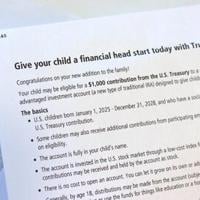
A letter sent to parents about Trump Accounts for their children. Courtesy of States Newsroom via AZ Mirror Every child in the United States with a valid Social Security number is now enrolled in a tax-advantaged investment account, called a Trump Account, President Donald Trump announced on Oct. 7.Parents must claim the accounts by downloading a Trump Account mobile app. Children born from 2025 through 2028 will automatically receive a one-time deposit of $1,000 from the U.S. government, once parents or guardians officially claim the deposit.Children born before the eligibility window, up to age 10, can receive a $250 deposit donated by the Michael & Susan Dell Foundation. The Dells, who are Jewish, built their fortune through Dell Technologies.Surrounded in the Oval Office by U.S.
This excerpt comes from the named source. Read the original for the full reporting.
Read the original at Jewish News of Greater Phoenix


