Local
Nevada County certifies November 2026 General Election results
A Roundtable is a way to meet new people and discuss this article in person at a local coffee shop or other venue.
Roundtables are designed for groups of four, with a shared subject and room for everyone to speak. Come for discussion, with no dating expectation.
Source: Sierra Sun
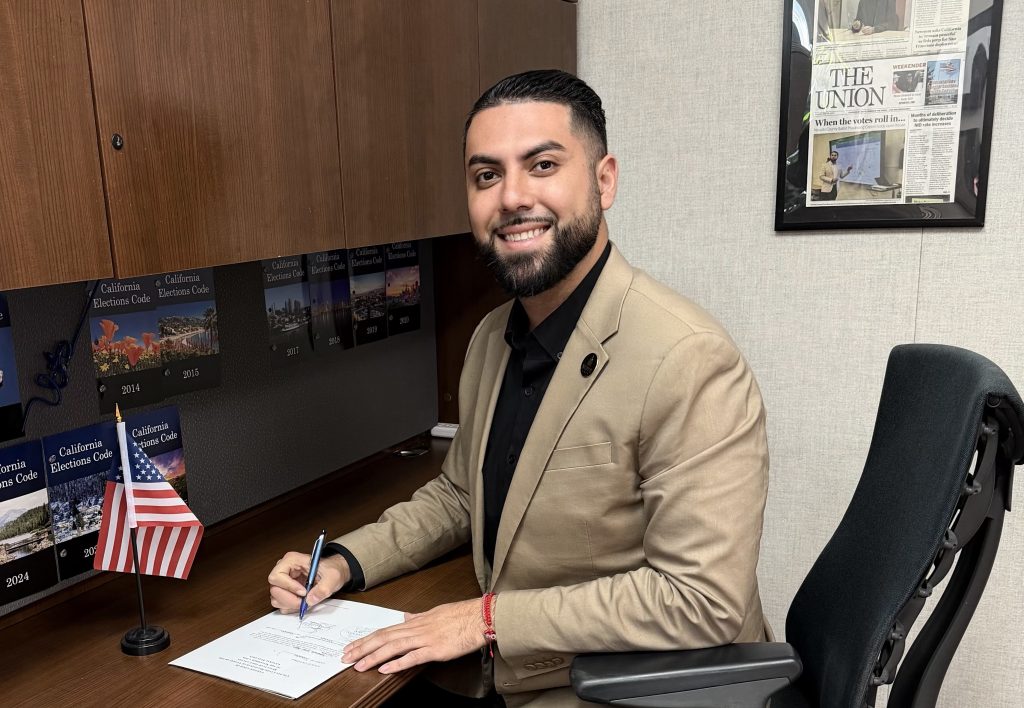
NEVADA CITY, Calif. –The Nevada County Registrar of Voters Armando Salud-Ambriz certified the results of the Nov. 3, 2026 General Election The final turnout for this election totaled 54,485 ballots cast, representing 71% of 76,687 registered voters in Nevada County. Once again, Nevada County achieved one of the highest voter turnout rates in California, ranked among the top 10 counties. This included: 48,725 vote-by-mail ballots 5,333 in-person ballots 2,005 Sign, Scan, Go! Ballots (37.6% of in-person voters). With this option, voters scan their completed ballots at a vote center rather than return them in the mail or in an official drop box. 427 conditional/provisional voter registration ballots Nevada County Elections counted 85% of ballots within the first seven days of the election, up from just 54.5% in November 2024. The faster count was achieved despite a longer ballot that required two cards instead of the usual one.
This excerpt comes from the named source. Read the original for the full reporting.
Read the original at Sierra Sun


