Local
New 102-page federal report details what went wrong in Colorado wildfire that killed 4 firefighters
Meet in Common connects news with real conversations. Use ThinkMatch to arrange a Roundtable and meet people to discuss this story.
Roundtables are designed for groups of four, with a shared subject and room for everyone to speak. Come for discussion, with no dating expectation.
Source: The Colorado Sun
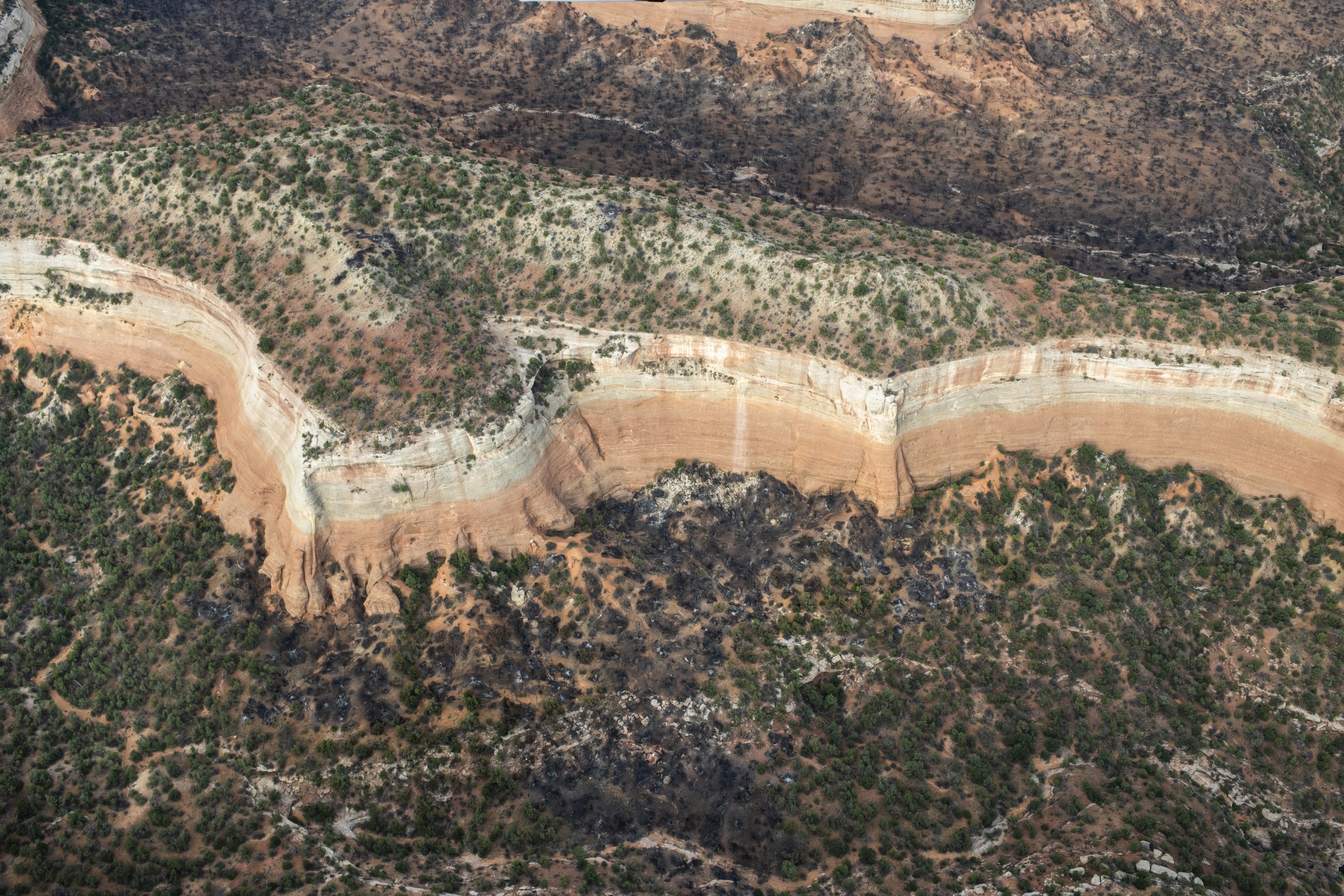
Strained communications, extreme fire behavior, understaffing and gaps in aerial supervision were among the issues that contributed to the deaths of four federal firefighters who became trapped by a rapidly growing wildfire in western Colorado in June, federal investigators found. The final report on the Knowles fire, released Thursday by the Department of Interior, comes as parents of one of the killed firefighters demanded more accountability in “preventable failures of leadership and oversight” that they say led to his death. Emily Barker, 38, of Clinton Township, Michigan, Nick Hutcherson, 27, of Glendale, Arizona, and Sydney Watson, 27, of Warrior, Alabama, were killed June 27, after being overtaken by rapidly spreading flames while battling lightning-caused fires near the Colorado-Utah border west of Grand Junction. Nathan Matthews, 43, of Lincoln, Nebraska, later died from injuries suffered in the burnover. A fifth firefighter was also injured.
This excerpt comes from the named source. Read the original for the full reporting.
Read the original at The Colorado Sun