Local
New bill aims to keep AI out of court opinions
A Roundtable is a way to meet new people and discuss this article in person at a local coffee shop or other venue.
Roundtables are designed for groups of four, with a shared subject and room for everyone to speak. Come for discussion, with no dating expectation.
Source: Observer
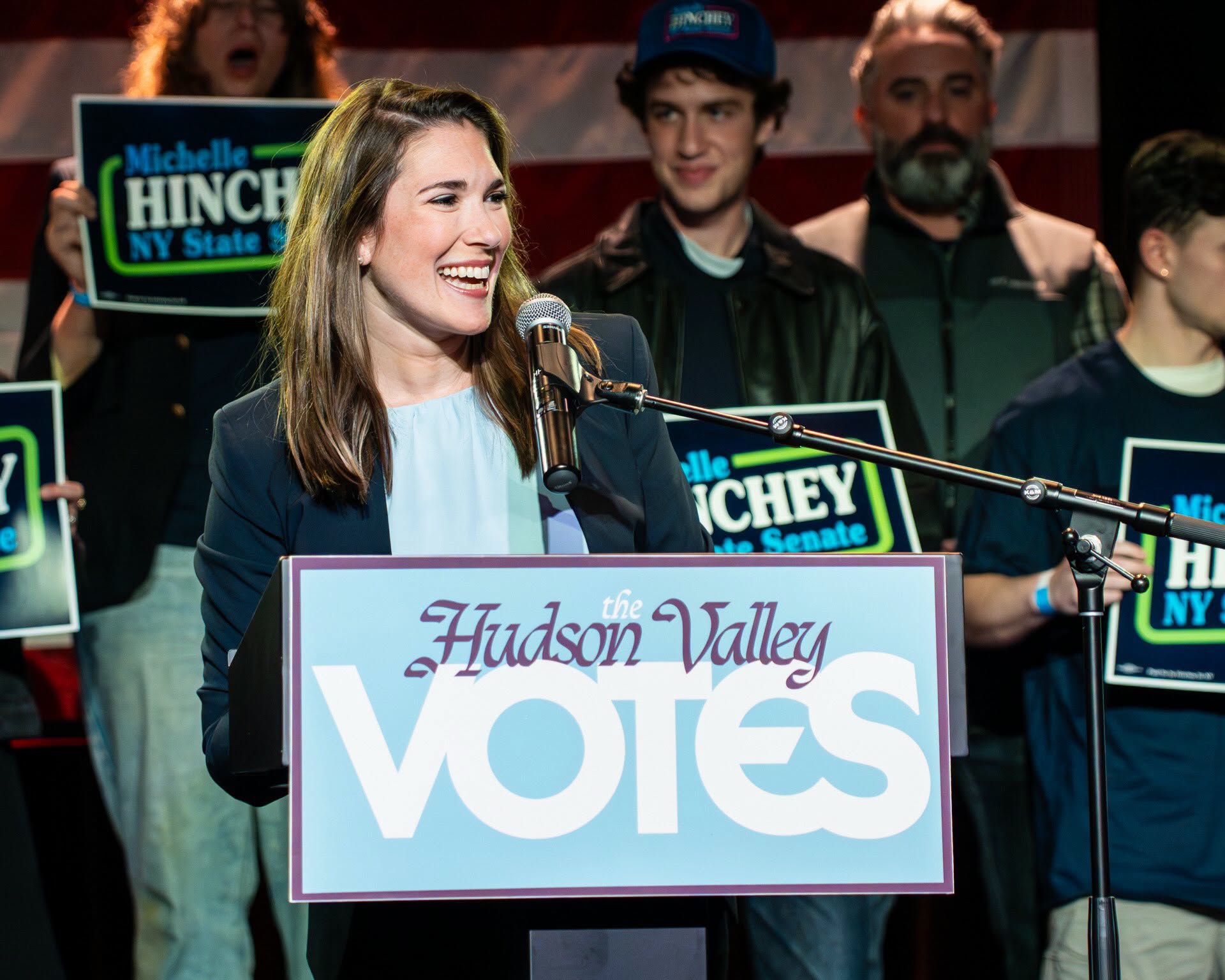
New legislation introduced in the state Senate aims to keep artificial intelligence from being used in court opinions in New York. Sen. Michelle Hinchey, D-Kingston, recently introduced legislation (S.10741) that would add a new section to the state Judiciary Law that would prohibit judges from using fabricated legal authority in adjudicative writings. Hinchey proposes making knowledgeable use or reckless use of AI by judges professional misconduct. The state’s Unified Court System recently released its Interim Policy on the Use of Artificial Intelligence. In October 2025, Senate Judiciary Committee Chairman Chuck Grassley, R-Iowa, spoke on the Senate floor to discuss his oversight of federal judges’ AI use after finding two federal judges whose court staff used AI to draft inaccurate court orders that the judges approved. During his floor speech, Grassley called on every federal judge, the Administrative Office of the U.S.
This excerpt comes from the named source. Read the original for the full reporting.
Read the original at Observer

