Local
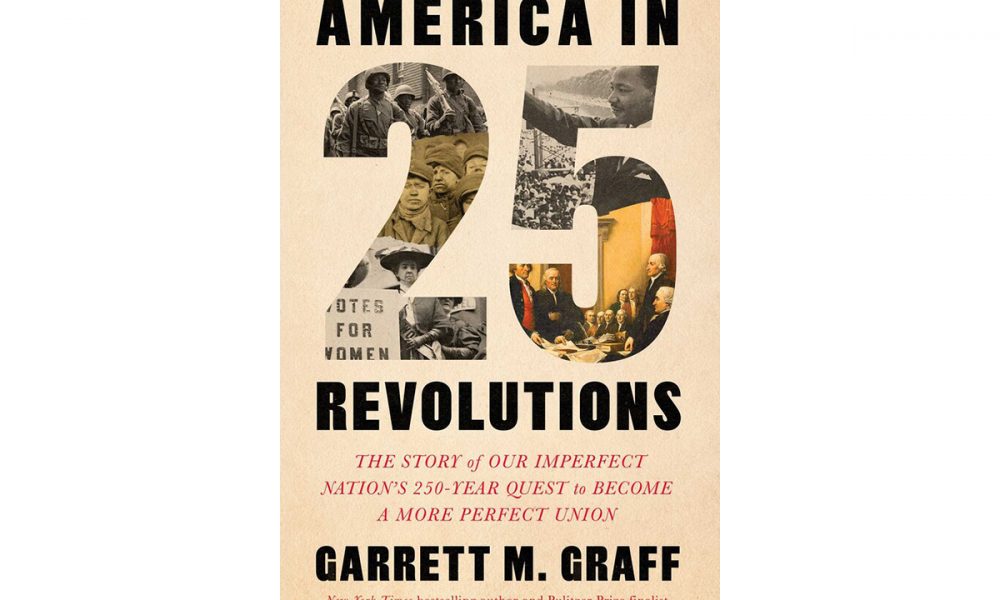
New book delivers inclusive, powerful truth of American history
A Roundtable is a way to meet new people and discuss this article in person at a local coffee shop or other venue.
Roundtables are designed for groups of four, with a shared subject and room for everyone to speak. Come for discussion, with no dating expectation.
Source: Washington Blade
Deep inside the Smithsonian National Museum of American History there is a walk-in vault filled with the nation’s political treasures. It is a warren of locked cabinets, pull-out drawers and containers holding two centuries of American political campaign memorabilia. At age 81, gay civil rights pioneer Dr. Franklin E. Kameny was there in 2006 to present the museum with a dozen gay and lesbian rights historic pickets carried decades before in front of LBJ’s White House. To provide context for his acceptance of the pickets, the Smithsonian curator shared some objects from the cabinets: the original table-top writing desk used by Thomas Jefferson to write the Declaration of Independence; the inkwell President Lincoln used to write the Emancipation Proclamation; and a small box with a “Jail for Freedom” pin worn by Quaker Suffragette Alice Paul, brutally imprisoned for demonstrating in front of President Wilson’s White House.
This excerpt comes from the named source. Read the original for the full reporting.
Read the original at Washington Blade