Local
New CareMakers Collective to train refugee women in sewing, caregiving in the Chinatown International District
Meet in Common connects news with real conversations. Use ThinkMatch to arrange a Roundtable and meet people to discuss this story.
Source: International Examiner
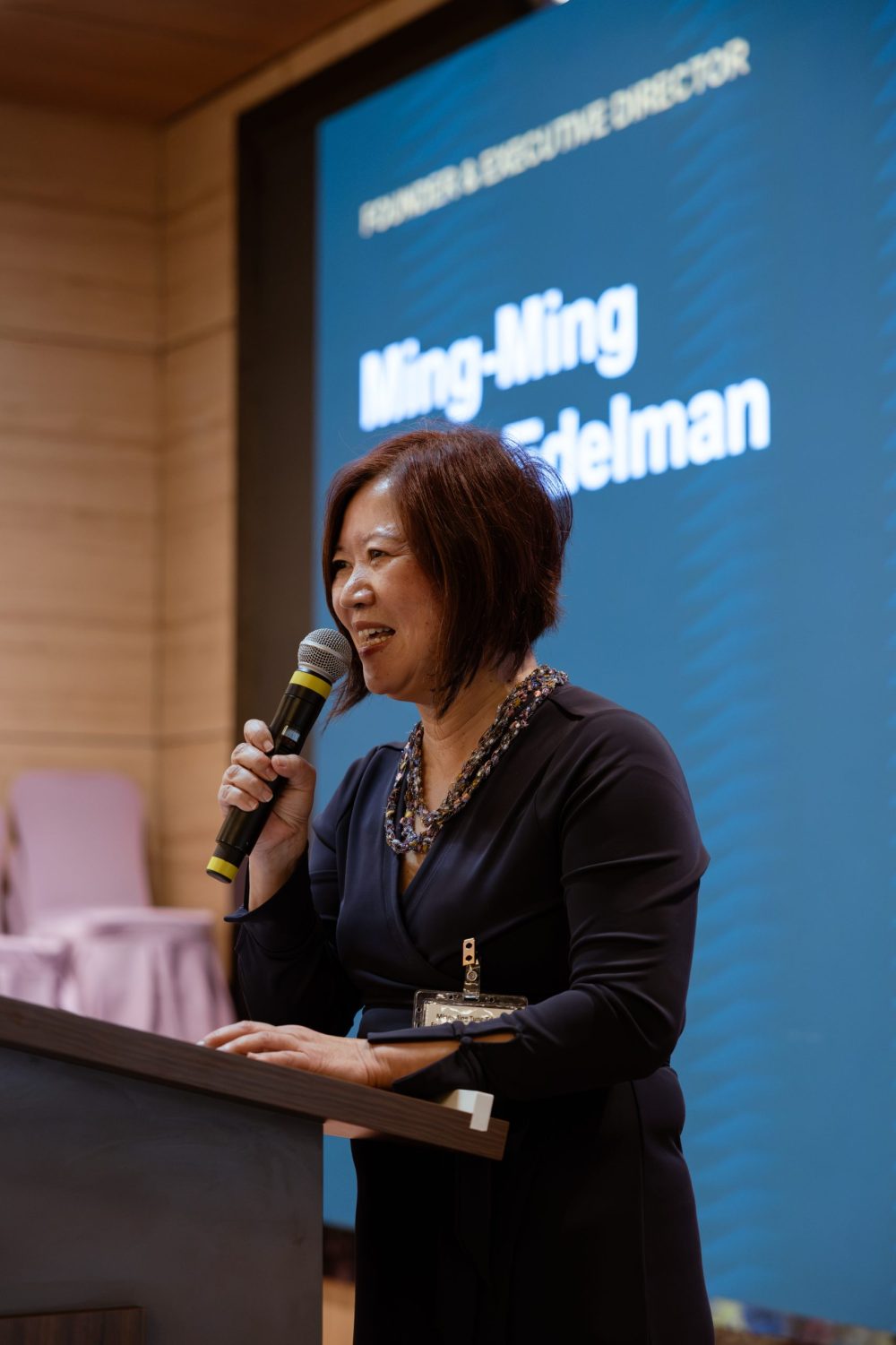
A new nonprofit aiming to provide workforce training for immigrant and refugee women in sewing and caregiving is setting up shop in the Chinatown International District (CID). CareMakers Collective was founded by Ming-Ming Tung-Edelman this summer. Tung-Edelman founded Refugee Artisan Initiative (RAI) in 2017, where she worked as executive director until January this year. Headquartered in the Lake City neighborhood, RAI employs and trains immigrant and refugee women, who create products using upcycled textiles. As the International Examiner reported earlier this year, Tung-Edelman maintains that the circumstances of her ouster from RAI lacked due process and fairness and were characterized by coercive and racist treatment by the organization’s board. The RAI board at the time said the ouster was fair and justified. CareMakers Collective will follow a similar model to RAI, offering employment to immigrant and refugee women through sewing.
This excerpt comes from the named source. Read the original for the full reporting.
Read the original at International Examiner