Local
New financial aid policy retroactively revokes students’ scholarships
A Roundtable is a way to meet new people and discuss this article in person at a local coffee shop or other venue.
Roundtables are designed for groups of four, with a shared subject and room for everyone to speak. Come for discussion, with no dating expectation.
Source: Daily Nexus
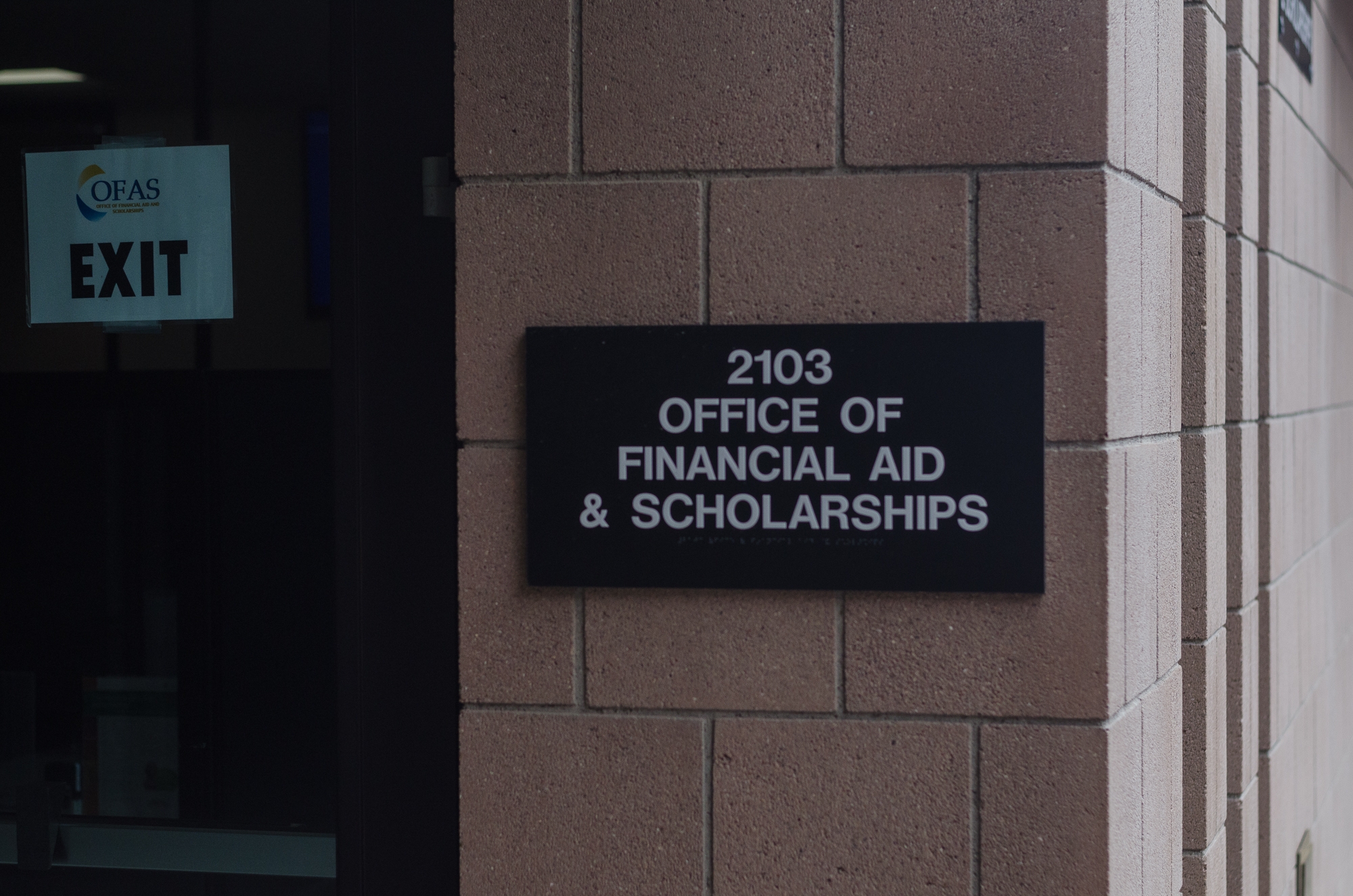
Effective fall 2026, students will no longer be eligible for UC Santa Barbara scholarship funding once they attempt 270 or more course units. This policy has retroactively revoked scholarships, leaving some students unsure of how they will pay their tuition. According to the Office of Financial Aid & Scholarships, all students who receive university, state and federal financial aid must meet Satisfactory Academic Progress (S.A.P.) policy requirements to be eligible for UCSB scholarships. The S.A.P. requirements for undergraduate students are based on grade point average, completion rate and a maximum time frame of eligibility for financial aid. In regards to the time frame requirement, the office states that it is required by federal law to ensure that students only receive aid for 150% of the time normally required to complete an academic program. With the standard bachelor’s degree unit requirement being 180 units, this policy sets the unit limit at 270.
This excerpt comes from the named source. Read the original for the full reporting.
Read the original at Daily Nexus