Local
New Mexico-born Dolores Huerta advocated for immigrants, civil rights
Meet in Common connects news with real conversations. Use ThinkMatch to arrange a Roundtable and meet people to discuss this story.
Source: El Observador
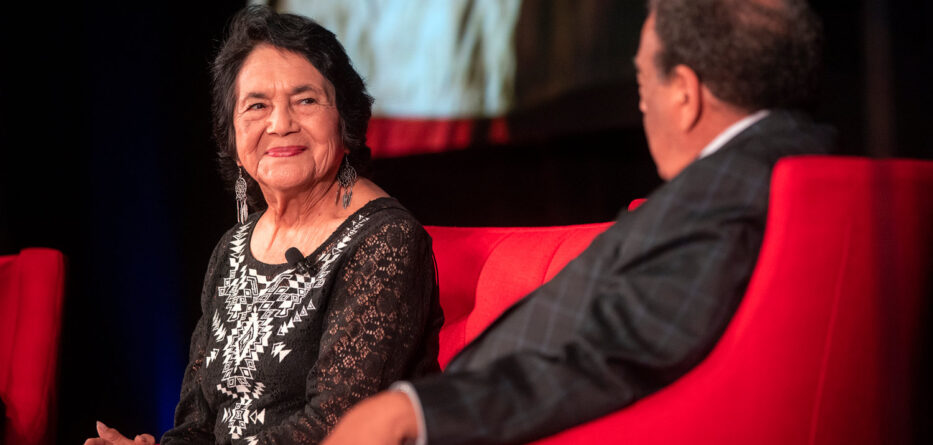
Dolores Huerta, who died last week at age 96, spent seven decades advancing human rights one cause at a time. Huerta was born in the historic mining camp of Dawson, New Mexico, in 1930, and went on to become one of America’s most influential labor and civil rights leaders. In recent years, she encouraged people — particularly Latino citizens and working families — to exercise their right to vote. “We know that democracy cannot work unless we all engage, and we have so many issues right now that are so important to all of us. We have to let our voices be heard and invite other people to also join us because democracy doesn’t work unless everybody engages,” Huerta said. Huerta is credited with the slogan “¡Sí, se puede!,” or “Yes, we can!” in English. It was first used in 1972 in Phoenix during a protest against a state law prohibiting agricultural workers from organizing, boycotting or striking during harvest seasons.
This excerpt comes from the named source. Read the original for the full reporting.
Read the original at El Observador